 WomenBet
Betting on Women’s Sports: The Complete Market Guide
 Available in US
Women's sports betting has exploded from afterthought to major market driver in just three years, and if you missed this transformation, you're not alone. The sports betting industry itself didn't see it coming. In 2021, betting on women's sports represented such a tiny fraction of total handle that most sportsbooks didn't bother tracking it separately. By 2024, WNBA games were generating million-dollar handles regularly, women's college basketball was breaking viewership records, and platforms were scrambling to build infrastructure around women's sports they'd ignored for years.
The Caitlin Clark phenomenon gets credited for this shift, and she certainly accelerated it. But the underlying dynamics were building before she arrived. Women's sports were improving in quality, gaining media coverage, developing passionate fan bases, and creating compelling narratives that engaged audiences. What Clark did was prove that interest in women's sports could translate into massive betting volume when the right catalyst appeared.
The betting markets for women's sports exist in an interesting intermediate state. They're no longer completely ignored niche markets where you couldn't get a bet down without moving lines. But they're also not yet as efficient as mature men's sports markets where every edge has been identified and exploited. This creates genuine opportunities for bettors willing to invest time understanding these sports and markets.
For women bettors specifically, women's sports betting represents an ideal entry point. The passion for supporting women athletes combines with betting to create an engaging experience that feels personally meaningful in ways that betting on men's sports might not. The markets are accessible, the sports are easier to follow than decades-old men's leagues with complex histories, and the community around women's sports betting is welcoming rather than hostile.
This guide covers everything you need to understand betting on women's sports—which sports offer the best opportunities, how the markets function differently from men's sports, where to find value, and which platforms actually provide quality coverage. Whether you're already a passionate fan of women's sports looking to add betting to your engagement, or you're exploring women's sports through betting interest, the landscape is richer and more accessible than ever before.
The Women's Sports Betting Revolution
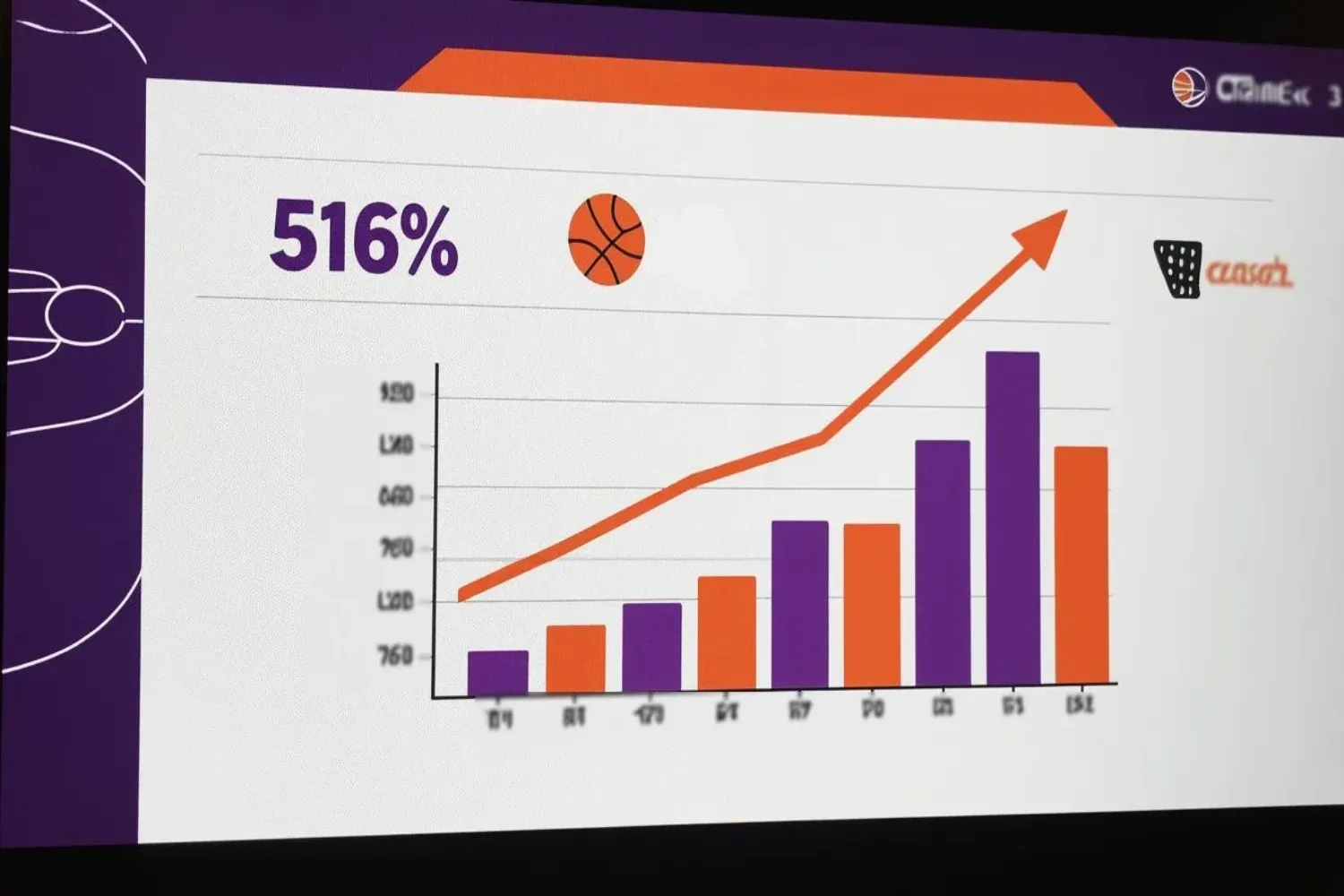
The numbers documenting growth in women's sports betting are staggering enough that they seemed implausible when first reported. FanDuel received more wagers on the 2024 Iowa-LSU NCAA Women's Basketball Tournament game than any previous women's sporting event in company history. Caesars Sportsbook saw a five hundred sixteen percent increase in bet counts during WNBA opening night compared to the previous season. BetMGM reported that money wagered on WNBA futures—championship predictions and MVP bets—rose one hundred seventy-five percent year over year.
These aren't marginal improvements suggesting gradual growth. They're structural shifts indicating fundamental change in how bettors engage with women's sports. The question shifted from whether people would bet on women's sports to how quickly betting volume would grow and whether platforms could keep pace with demand.
The growth drivers extend beyond individual star athletes, though Caitlin Clark's impact can't be overstated. The Iowa guard brought unprecedented attention to women's college basketball. Games she played in drew viewership numbers that rivaled and sometimes exceeded men's games. The LSU-Iowa championship game in 2023 drew 9.9 million viewers. Their Elite Eight rematch in 2024 drew 12.3 million viewers—a women's college basketball record. Those viewers translated directly into bettors.

But Clark represents a broader trend rather than an isolated phenomenon. The WNBA as a league experienced massive growth independent of any single player. Average viewership tripled from approximately four hundred sixty thousand viewers per game in 2023 to one point three two million viewers in 2024. Every WNBA team saw attendance increases. Merchandise sales exploded. And critically for betting purposes, games became nationally televised events rather than niche programming.
Women's soccer follows a similar trajectory. The US Women's National Team has maintained high profiles and passionate fan bases for years. The 2023 Women's World Cup generated significant betting interest despite taking place during typical American sleeping hours. Domestic leagues including the NWSL are gaining traction, creating year-round betting opportunities rather than just tournament windows.
Women's tennis always had betting markets given the sport's individual nature and the parity between men's and women's tours. But interest is growing as new stars emerge and as betting platforms improve their women's tennis coverage. The Australian Open, French Open, Wimbledon, and US Open all feature women's matches prominently, and betting follows viewership.
The infrastructure supporting women's sports betting is improving rapidly. Sportsbooks now employ analysts focused specifically on women's sports. Props markets for WNBA games expanded dramatically. Live betting became available for major women's college basketball games. The differential between men's and women's sports in terms of betting market depth narrowed considerably, though gaps remain.
Partnerships between sportsbooks and women's sports leagues formalized relationships that were informal or nonexistent just years ago. FanDuel became the WNBA's official sportsbook partner. DraftKings followed with similar deals. These partnerships mean platforms have incentives to improve women's sports coverage, develop better betting markets, and educate bettors about women's sports.

The cultural shift matters as much as the numerical growth. Betting on women's sports transitioned from niche activity that marked you as different to normal behavior that requires no justification. Male bettors discovered women's sports through betting and found them compelling on their own merits. Female bettors found sports they felt connected to and used betting to deepen engagement.
The trajectory suggests this growth continues rather than plateaus. Women's sports are gaining resources, media coverage, and legitimacy that creates positive feedback loops. Better coverage drives more fans. More fans drive more betting. More betting drives platform investment in coverage. The cycle accelerates rather than stabilizes.
The numbers documenting growth in women's sports betting are staggering. FanDuel received more wagers on the 2024 Iowa-LSU NCAA Women's Basketball Tournament game than any previous women's sporting event in company history. Caesars Sportsbook saw a five hundred sixteen percent increase in bet counts during WNBA opening night compared to the previous season. BetMGM reported that money wagered on WNBA futures—championship predictions and MVP bets—rose one hundred seventy-five percent year over year.
These aren't marginal improvements suggesting gradual growth. They're structural shifts indicating fundamental change in how bettors engage with women's sports. The question shifted from whether people would bet on women's sports to how quickly betting volume would grow.
The growth drivers extend beyond individual star athletes, though Caitlin Clark's impact can't be overstated. The Iowa guard brought unprecedented attention to women's college basketball. Games she played in drew viewership numbers rivaling and sometimes exceeding men's games. The LSU-Iowa championship game in 2023 drew 9.9 million viewers. Their Elite Eight rematch in 2024 drew 12.3 million viewers—a women's college basketball record. Those viewers translated directly into bettors.
But Clark represents a broader trend rather than an isolated phenomenon. The WNBA as a league experienced massive growth independent of any single player. Average viewership tripled from approximately four hundred sixty thousand viewers per game in 2023 to one point three two million viewers in 2024. Every WNBA team saw attendance increases. Merchandise sales exploded. And critically for betting purposes, games became nationally televised events rather than niche programming.
Women's soccer follows a similar trajectory. The US Women's National Team has maintained high profiles and passionate fan bases for years. The 2023 Women's World Cup generated significant betting interest despite taking place during typical American sleeping hours. Domestic leagues including the NWSL are gaining traction, creating year-round betting opportunities rather than just tournament windows.
Women's tennis always had betting markets given the sport's individual nature and the parity between men's and women's tours. But interest is growing as new stars emerge and as betting platforms improve their women's tennis coverage. The Australian Open, French Open, Wimbledon, and US Open all feature women's matches prominently, and betting follows viewership.
The infrastructure supporting women's sports betting is improving rapidly. Sportsbooks now employ analysts focused specifically on women's sports. Props markets for WNBA games expanded dramatically. Live betting became available for major women's college basketball games. The differential between men's and women's sports in terms of betting market depth narrowed considerably, though gaps remain.
Partnerships between sportsbooks and women's sports leagues formalized relationships that were informal or nonexistent just years ago. FanDuel became the WNBA's official sportsbook partner. DraftKings followed with similar deals. These partnerships mean platforms have incentives to improve women's sports coverage, develop better betting markets, and educate bettors about women's sports.
The cultural shift matters as much as the numerical growth. Betting on women's sports transitioned from niche activity that marked you as different to normal behavior that requires no justification. Male bettors discovered women's sports through betting and found them compelling on their own merits. Female bettors found sports they felt connected to and used betting to deepen engagement.
The trajectory suggests this growth continues rather than plateaus. Women's sports are gaining resources, media coverage, and legitimacy that creates positive feedback loops. Better coverage drives more fans. More fans drive more betting. More betting drives platform investment in coverage. The cycle accelerates rather than stabilizes.
Major Women's Sports for Betting
The WNBA leads women's sports betting in market development, betting volume, and growth trajectory. The league offers twelve teams playing a compact season from May through September with playoffs extending into October. This concentrated schedule creates consistent betting opportunities without the overwhelming volume of men's major leagues.
WNBA betting markets expanded dramatically over recent seasons. Standard spreads, moneylines, and totals are available for every game across major sportsbooks. Player props—bets on individual statistical performances like points, rebounds, assists—became standard offerings. Same game parlays allow combining multiple bets from single game. Live betting enables wagering as games unfold.
The league structure creates interesting betting dynamics. With only twelve teams, you can realistically follow the entire league closely. Roster sizes are small, making player impact analysis manageable. The regular season produces meaningful games since playoff positioning matters significantly. Travel patterns and back-to-back scheduling create exploitable situational edges.
WNBA betting strategy differs from NBA betting in important ways. The absence of star rest games—every player plays every game barring injury—eliminates a major uncertainty in NBA betting. Shorter roster depth means injuries impact teams more dramatically. Home court advantage is more pronounced. Three-point shooting variance affects outcomes more given lower scoring overall.
The player prop markets in WNBA betting offer particular value for knowledgeable bettors. Props are set with less precision than game lines. Usage patterns, matchup dynamics, and game script considerations create edges. A player facing favorable defensive matchup or team missing key defensive player creates exploitable spots.
WNBA futures betting—championship odds, MVP predictions, awards markets—sees heavy action but requires careful analysis. The short season means less room for regression to mean. Hot starts can hold throughout season. Injuries to key players devastate title chances given roster construction. Understanding team chemistry and coaching becomes critical.
NCAA women's basketball provides the second-largest betting market in women's sports. The college game features hundreds of teams across multiple divisions, though betting interest concentrates on major conferences—SEC, Big Ten, ACC, Big 12, Pac-12.
The NCAA women's basketball season runs from November through April with the NCAA Tournament in March and early April. Conference tournaments precede the NCAA Tournament, creating concentrated betting periods with multiple games daily. March Madness for women's basketball has become major betting event rivaling men's tournament in certain markets.
Betting college women's basketball requires different approaches than WNBA betting. The talent disparity between top programs and mid-major schools is dramatic. Dominant teams regularly win by thirty or forty points, making spread betting challenging. The best opportunities come from conference play where talent levels are more balanced.
Player development and roster turnover create year-to-year volatility that astute bettors can exploit. Recruiting classes, transfer portal additions, and coaching changes impact team strength dramatically. Following team-building closely provides edges in early season betting before sportsbooks adjust their assessments.
The NCAA Tournament specifically creates unique betting situations. Bracket pools and futures bets on tournament winner see heavy action. Individual game betting follows traditional patterns but Cinderella runs—unexpected teams advancing deep—create hedging opportunities. Live betting during tournament games can be profitable given momentum swings and foul trouble dynamics.
Information availability for women's college basketball is improving but remains less comprehensive than men's college basketball. Beat writers cover top programs extensively but mid-major coverage is sparse. This information asymmetry helps bettors willing to watch games and gather their own data.
Women's soccer betting spans multiple competitions and leagues. The US Women's National Team draws most American betting interest, but World Cup and Olympics create global betting events. Domestic leagues including NWSL in the United States and international leagues in Europe offer year-round opportunities.
Soccer betting differs fundamentally from basketball betting. Low-scoring nature means variance plays larger role. Single goal often decides matches. Draw outcomes—games ending tied—add complexity absent from most American sports betting. Understanding when to bet draw versus picking winner is critical skill.
Women's soccer lines are often less efficient than men's soccer given less betting volume. This creates opportunities but also means getting bets down at desired odds can be challenging. Limits are lower, line movements can be dramatic, and finding markets for smaller matches requires shopping multiple sportsbooks.
Tournament betting in women's soccer—World Cup, Olympics, continental championships—sees heavy action. Futures markets on tournament winners, top scorers, and group stage advancement are popular. Understanding international soccer dynamics, roster construction, and tactical approaches helps identify value.
NWSL specifically offers the most consistent women's soccer betting in United States. The league runs from March through November with expansion creating more teams and more betting opportunities. Following NWSL closely creates edges given limited coverage compared to European leagues and national teams.
Women's tennis provides most mature betting market in women's sports given the sport's structure. Men's and women's tours have parallel organizations, similar prize money, and equal billing at major tournaments. This parity means betting markets are well-developed with high limits and tight lines.
Tennis betting strategy applies equally to men's and women's tennis with some specific considerations. The women's game features more upsets at certain tournaments given serve importance differences. Three-set format versus five-set format affects stamina considerations. Surface preferences matter enormously with players specializing in clay, grass, or hard courts.
The four Grand Slam tournaments—Australian Open, French Open, Wimbledon, US Open—see heaviest betting volume. These two-week events create opportunities for series betting, match-by-match analysis, and futures adjustment as tournaments progress. Following qualifiers and early rounds identifies value before sportsbooks fully adjust odds.
Live betting in tennis is particularly active given the sport's natural breaks between points, games, and sets. Momentum shifts, injury concerns, and serving patterns create exploitable situations. Understanding player tendencies in pressure situations helps identify profitable live betting spots.
Women's tennis props betting covers first set winners, total games, handicap betting on games won, and various match-specific propositions. The statistical nature of tennis makes props easier to model than team sports. Historical head-to-head data, surface-specific performance, and recent form provide predictive value.
Understanding Women's Sports Betting Markets
Women's sports betting markets function differently from men's sports markets in ways that create both opportunities and challenges. Understanding these differences is essential for profitable betting.
The betting limits—maximum amounts sportsbooks accept on single wagers—are significantly lower for women's sports. A sharp bettor might get ten thousand dollars down on NBA game at multiple sportsbooks. That same bettor will struggle to place two thousand dollars on WNBA game without getting limited or having bet rejected. This lower limit ceiling means professional gamblers focus less attention on women's sports, reducing market efficiency.
The vig—sportsbook commission built into odds—tends to be higher on women's sports. Standard NFL point spread might be -110 on both sides, representing 4.5% vig. WNBA spreads might be -115 on both sides, representing 7.1% vig. This higher vig means bettors need to win at higher rate to be profitable, making the margin for error smaller.
Line movement in women's sports betting is less predictable than men's sports. Sharp money moves NBA lines quickly and consistently. WNBA lines might not move despite what appears to be sharp action, or might move dramatically on relatively small betting volume. This unpredictability makes line shopping—checking odds at multiple sportsbooks—more valuable for women's sports.
The betting public for women's sports is smaller but more knowledgeable than typical sports betting public. The casual bettor who blindly backs favorites or home teams is less common in women's sports. Most bettors on WNBA games actually follow the league. This means public betting percentages are less predictive of line movement and less exploitable through fade-the-public strategies.
Injury information and lineup changes come out less reliably for women's sports. NBA injury reports are mandated and publicized extensively. WNBA injury reports exist but receive less media attention. A key player being ruled out might not reach bettors until shortly before game starts. This information lag creates both risks and opportunities depending on information sources.
The betting market depth—variety of bet types available—varies significantly by sport and game importance. WNBA playoff games might have fifty different betting options including elaborate player props and same game parlays. Regular season games between lower-profile teams might have just basic spreads and totals. This variation requires adjusting betting strategy based on what markets are available.
Live betting coverage for women's sports is improving but inconsistent. Major games feature full live betting menus with constantly updating odds. Lesser games might have limited live options or experience delays in odds updates. Understanding which games will have quality live betting helps with in-game wagering strategies.
The correlation between men's and women's sports lines is weak. Bettors can't simply look at comparable men's sports situations and expect similar dynamics in women's sports. Shot distribution, pace of play, scoring variance, and strategic tendencies differ enough that women's sports require independent analysis.
Futures markets for women's sports have longer odds tails than men's sports. WNBA championship betting might have the favorite at +200 and twelfth-place team at +5000. NBA championship betting will have longer odds for true longshots. This compressed odds structure means less value in betting extreme longshots but more value in middle-tier contenders.
The sportsbook resources dedicated to setting women's sports lines are fraction of resources for men's sports. Lines for NBA games involve teams of analysts, proprietary models, and continuous monitoring. Lines for WNBA games might involve single trader with less sophisticated tools. This resource disparity creates inefficiencies that knowledgeable bettors can exploit.
Platform Guide for Women's Sports Betting
Sportsbook selection matters more for women's sports betting than men's sports because market coverage, limits, and odds vary dramatically. The platforms that excel at NFL and NBA betting don't necessarily provide quality women's sports betting experiences.
FanDuel leads women's sports betting coverage currently through aggressive market development and official league partnerships. The platform became the WNBA's official sportsbook partner, a relationship that drove expanded betting markets and promotional activity. FanDuel offers the most comprehensive WNBA props markets, reliable live betting, and competitive limits compared to competitors.
FanDuel's women's college basketball coverage is excellent particularly during March Madness. The platform offers extensive game options, futures markets, and same game parlay functionality. The promotional strategy around women's sports is more aggressive than most competitors, creating value through boosted odds and bonus opportunities.
Interface design at FanDuel makes finding women's sports betting markets straightforward. WNBA gets prominent placement during season rather than being buried under men's sports. The mobile app provides smooth experience for live betting on women's games. Cash out options—settling bets early—are available for most major women's sports markets.
DraftKings provides second-best overall women's sports betting experience with some specific advantages. The platform's odds are sometimes better than FanDuel on WNBA games, making line shopping between the two platforms worthwhile. DraftKings offers strong women's soccer coverage particularly for NWSL and international competitions.
The DraftKings parlay builder is sophisticated for women's sports, allowing more combinations than most competitors. Player props for WNBA games are extensive, though slightly less comprehensive than FanDuel. The Crown rewards program provides value for regular bettors through reduced vig on certain markets and promotional access.
Live betting at DraftKings covers women's sports well with responsive odds updates and wide market selection for major games. The platform's statistical information for women's sports improved significantly, providing basic team and player stats directly within betting interface. This information integration helps with bet research without leaving platform.
BetMGM offers solid women's sports coverage without excelling in any particular area. The platform provides standard markets for WNBA and major women's college basketball games. Odds are competitive but rarely best available. The advantage is the MGM Rewards integration—betting contributes to rewards program used at MGM properties nationwide.
BetMGM's women's tennis coverage is strong given MGM's international betting operations. Markets for WTA events are comprehensive with competitive odds. The platform also offers better coverage of international women's soccer than most American-focused sportsbooks.
Caesars Sportsbook provides decent women's sports betting with competitive odds but limited market depth. The platform offers basic spreads, totals, and moneylines for WNBA and major women's college basketball games. Props markets are sparse compared to FanDuel and DraftKings. The Caesars Rewards program provides value through hotel comps and entertainment benefits.
The Caesars betting interface is less intuitive than leaders particularly for finding women's sports markets. Live betting coverage is adequate for major games but thin for regular season contests. The platform works for line shopping purposes but probably shouldn't be primary sportsbook for women's sports focus.
ESPN BET entered the market with strong brand recognition but limited women's sports betting initially. Coverage has improved with better WNBA and women's college basketball markets. The platform integrates ESPN content and statistics, creating informational advantages. Promotional activity around women's sports picks up during major events.
Regional and smaller sportsbooks offer mixed quality for women's sports betting. Some provide competitive odds on specific sports—tennis particularly—while others barely cover women's sports. These platforms can be useful for line shopping but rarely serve as primary betting destinations for women's sports focus.
Betting Strategy for Women's Sports
Successful betting on women's sports requires strategies adapted to market characteristics rather than transplanting men's sports betting approaches. The inefficiencies create opportunities but exploiting them demands specific knowledge and disciplined execution.
Deep sport specialization matters more for women's sports than men's. Following one or two women's sports closely creates more edges than superficial knowledge across many sports. The information advantage from watching every WNBA game outweighs betting opportunities from casual tracking of multiple sports. Pick your specialization based on genuine interest since the time investment is substantial.
Creating your own statistics and tracking systems provides significant advantages. Publicly available advanced statistics for women's sports lag behind men's sports considerably. Basic data gathering—tracking shooting percentages by location, defensive matchup performance, rest situations—gives you information sportsbooks might not have. The time investment is meaningful but the edge gained justifies the effort.
Understanding roster construction and depth charts is critical given shorter benches in women's sports. When WNBA team loses key player to injury, the impact is immediate and dramatic. Men's NBA teams can survive major injuries through roster depth and system adaptation. Women's teams often can't. Tracking injury situations closely and betting accordingly creates profitable opportunities.
Situational handicapping—analyzing schedule, rest, travel, motivation—matters enormously in women's sports. WNBA teams playing third game in five days perform measurably worse. College teams playing road game at hostile environment with NCAA Tournament implications approach games differently than early season non-conference contests. Sportsbook odds don't always fully account for these situational factors.
Line shopping between multiple sportsbooks is essential for women's sports betting. The spread might be six points at one sportsbook and seven at another for same WNBA game. Over time, consistently getting best available line dramatically improves profitability. Maintain accounts at minimum three sportsbooks—ideally FanDuel, DraftKings, and one other—to ensure line shopping options.
Bankroll management requires stricter discipline for women's sports given higher vig and lower limits. The recommendation is betting no more than one to two percent of bankroll on single wager. This conservative approach accounts for variance and protects against inevitable losing streaks. As bankroll grows, bet sizing can increase while maintaining percentage discipline.
Live betting in women's sports offers exploitable opportunities given odds update delays and momentum misconceptions. Sportsbooks sometimes overreact to short scoring runs or underreact to foul trouble situations. Watching games attentively while monitoring live odds identifies profitable spots. However, discipline matters—bad live bets compound quickly.
Player props betting in women's sports deserves specific focus. Sportsbooks set props with less precision than game lines, creating edges. Understanding player usage patterns, matchup dynamics, and game script helps identify favorable props. A player props specialization strategy—focusing exclusively on profitable player props betting—can be viable for women's sports.
Avoiding public betting traps is important even though women's sports public is more sophisticated. Narrative-driven betting—wagering on teams getting excessive media attention—remains suboptimal. When player or team dominates headlines, sportsbooks adjust lines aggressively. The smart money fades the public narrative rather than following it.
Futures betting requires patience and strategic hedging. WNBA championship bets in preseason offer value given odds compression. As season progresses and contenders emerge, hedging opportunities develop. Understanding when to lock in profits versus letting bets ride requires calculating expected value of different scenarios.
Record-keeping and performance analysis are mandatory for serious women's sports betting. Track every bet with odds, stake, result, and reasoning. Review performance regularly to identify profitable bet types and areas needing improvement. The discipline of documented betting reveals patterns invisible through casual observation.
Common Mistakes in Women's Sports Betting
Bettors new to women's sports make predictable mistakes that experienced bettors learned to avoid. Understanding these mistakes helps accelerate the learning process and preserves bankroll during early betting.
The biggest mistake is assuming women's sports betting works like men's sports betting. Bettors experienced with NBA try applying same handicapping to WNBA and struggle. The games are different. Pace is different. Shot selection is different. Coaching strategies are different. Successful WNBA betting requires learning the sport specifically rather than extrapolating from men's basketball.
Overreacting to small sample sizes ruins many bettors. A WNBA team starts season three and zero and bettors assume they're legitimate championship contender. Three games is tiny sample in twelve-team league. Similarly, single poor performance doesn't indicate collapse. The shorter season makes sample size awareness critical for avoiding emotional betting.
Ignoring injury impact relative to roster depth costs bettors money consistently. When men's NBA star sits out, team might drop from -7 favorite to -4 favorite. When WNBA star sits out, team should drop from -7 favorite to +3 underdog given roster construction. Bettors underestimate injury impact in women's sports and bet accordingly.
Chasing narratives rather than analyzing matchups leads to losses. Media coverage focuses on compelling storylines—revenge games, homecomings, milestone achievements. These narratives create betting interest but don't predict outcomes reliably. Objective matchup analysis beats narrative following over time.
Betting without shopping lines is expensive mistake. The difference between six-point spread and six and half-point spread seems minor but compounds dramatically over dozens of bets. Failing to maintain multiple sportsbook accounts and check odds before betting leaves money on table unnecessarily.
Overestimating the importance of home court advantage causes problems. Women's sports generally show smaller home advantages than men's sports, though this varies by level and sport. Assuming standard home court advantage without specific data for women's sports leads to systematic betting errors.
Neglecting rest and schedule situations is common mistake. Women's sports schedules sometimes feature brutal stretches—three games in five days with significant travel. These schedule spots create exploitable situations that casual bettors ignore. Following schedule carefully and betting against tired teams provides edges.
Betting based on past performance against different competition fails consistently. A women's college basketball team that dominated weak non-conference schedule won't necessarily continue dominance in conference play against quality opponents. Bettors need to weight recent performance by opponent quality rather than treating all wins equally.
Misunderstanding the relationship between spreads and totals causes losses. In low-scoring women's sports, small point spread might be large relative to total. A three-point spread in game with one hundred forty total is proportionally larger than three-point spread in game with one hundred seventy total. This scaling matters for spread value assessment.
Failing to track why bets won or lost prevents improvement. Bettors remember results but not reasoning. Did bet win because analysis was correct or because lucky bounce happened? Understanding why outcomes occurred helps refine strategy over time.
The Future of Women's Sports Betting
Women's sports betting will continue evolving rapidly over coming years. Understanding likely trajectory helps bettors position themselves advantageously and adapt strategies as markets mature.
Market efficiency will improve dramatically as betting volume grows and sportsbook resources increase. The current inefficiencies that create opportunities will narrow. Sharp bettors will enter women's sports markets more aggressively. Sportsbooks will invest in better models and dedicated analysts. The window for casual bettors to find consistent edges will shrink.
Betting limits will increase substantially as handle grows. Currently, getting significant money down on women's sports is challenging. Within three years, limits should increase meaningfully, attracting more professional betting attention. This creates positive feedback loop—higher limits draw sharps, sharp action improves market efficiency, improved markets attract more volume.
Props market depth will expand enormously. Player props for WNBA games are still developing compared to NBA. Within seasons, expect same breadth of prop options for women's sports that currently exists for men's. This expansion creates new opportunities but also means more bets to analyze and more ways for sportsbooks to extract vig.
Live betting coverage will become comprehensive for all major women's sports events. Currently, live betting quality varies dramatically by game importance. Future infrastructure investments will bring live betting for women's sports to parity with men's sports. This improves betting experience but also means fewer exploitable gaps in live odds.
Media coverage will continue growing, bringing more information but also more efficient markets. Better coverage helps bettors research but also means information advantages shrink. The edge from watching games and tracking data manually will diminish as professional coverage expands.
International women's sports betting will grow alongside American markets. European women's soccer leagues, international basketball competitions, and global tennis events will see expanded betting interest. This globalization creates new opportunities but requires understanding different sports and betting cultures.
Microbetting—wagering on individual plays or possessions—will become available for women's sports. This betting format already exists for men's sports and will extend to women's sports as technology improves. Microbetting creates new strategy considerations and different skill requirements.
The regulatory environment will evolve with women's sports betting growth. League partnerships with sportsbooks will expand. Integrity monitoring will improve. Player compensation from betting revenue might emerge similar to men's sports. These changes affect betting landscape and create new market dynamics.
Social and cultural betting aspects will develop further. Women's sports betting communities will grow. Content creation around betting strategies will expand. The entertainment and social elements will mature beyond simple win-loss focus toward comprehensive engagement.
The competitive advantage for current bettors lies in building expertise now before markets fully mature. Understanding women's sports deeply, developing tracking systems, establishing winning strategies—these investments pay dividends as markets grow. By the time women's sports betting reaches full efficiency, experienced bettors will have years of data and knowledge accumulated.
Join our active betting community today.
Market Efficiency and Opportunity Windows
The value proposition for betting on women's sports comes down to market efficiency gaps that create exploitable edges for knowledgeable bettors. These gaps exist because growth in betting interest has outpaced infrastructure development.
The sharp bettors—professionals who bet for living—concentrate overwhelmingly on major men's sports where betting limits are highest. They can't make enough money betting WNBA games at current limits to justify the time investment developing expertise. This absence of professional betting attention means women's sports lines face less pressure from informed money.
The sportsbook resources dedicated to setting women's sports lines are fraction of resources dedicated to men's sports. Lines for NBA games involve teams of analysts, proprietary models, and constant adjustments. Lines for WNBA games might involve single analyst with adapted models. This resource disparity creates inefficiencies.
The betting public for women's sports is bifurcated interestingly. A large segment consists of knowledgeable fans betting small amounts for engagement. These bettors don't move lines but don't create exploitable public bias either. The casual uninformed public that floods men's sports betting—people betting favorites blindly or making emotional bets—largely avoids women's sports.
The information available for women's sports continues improving but remains less comprehensive than men's sports. This information asymmetry helps bettors willing to watch games carefully and track their own data. In men's sports, every statistical edge has been identified and disseminated. In women's sports, basic analytical insights still provide edges.
The challenge is that all these advantages are temporary. As betting volume grows, sharp bettors will enter the market. As revenue increases, sportsbooks will invest more resources. As information improves, analytical edges will shrink. The window of opportunity exists now but won't last indefinitely.
The realistic timeline suggests women's sports betting markets will remain inefficient for perhaps three to five more years. After that, they'll likely mature to the point where casual bettors can't consistently profit. The WNBA specifically might reach full efficiency faster given its rapid growth trajectory. NCAA women's basketball will probably take longer given the fragmented nature of college sports.

For bettors entering women's sports now, the opportunity is real but requires actual effort. You can't simply apply men's sports betting approaches and expect success. You need to develop specific knowledge of women's sports, understand the unique market dynamics, and identify edges that compensate for structural disadvantages like higher vig and lower limits.
The value proposition for betting on women's sports comes down to market efficiency gaps that create exploitable edges for knowledgeable bettors. These gaps exist because growth in betting interest has outpaced infrastructure development.
The sharp bettors—professionals who bet for living—concentrate overwhelmingly on major men's sports where betting limits are highest. They can't make enough money betting WNBA games at current limits to justify the time investment developing expertise. This absence of professional betting attention means women's sports lines face less pressure from informed money.
The sportsbook resources dedicated to setting women's sports lines are fraction of resources dedicated to men's sports. Lines for NBA games involve teams of analysts, proprietary models, and constant adjustments. Lines for WNBA games might involve single analyst with adapted models. This resource disparity creates inefficiencies.
The betting public for women's sports is bifurcated interestingly. A large segment consists of knowledgeable fans betting small amounts for engagement. These bettors don't move lines but don't create exploitable public bias either. The casual uninformed public that floods men's sports betting—people betting favorites blindly or making emotional bets—largely avoids women's sports.
The information available for women's sports continues improving but remains less comprehensive than men's sports. This information asymmetry helps bettors willing to watch games carefully and track their own data. In men's sports, every statistical edge has been identified and disseminated. In women's sports, basic analytical insights still provide edges.
The challenge is that all these advantages are temporary. As betting volume grows, sharp bettors will enter the market. As revenue increases, sportsbooks will invest more resources. As information improves, analytical edges will shrink. The window of opportunity exists now but won't last indefinitely.
The realistic timeline suggests women's sports betting markets will remain inefficient for perhaps three to five more years. After that, they'll likely mature to the point where casual bettors can't consistently profit. The WNBA specifically might reach full efficiency faster given its rapid growth. NCAA women's basketball will probably take longer.
For bettors entering women's sports now, the opportunity is real but requires actual effort. You can't simply apply men's sports betting approaches and expect success. You need to develop specific knowledge of women's sports, understand unique market dynamics, and identify edges that compensate for structural disadvantages like higher vig and lower limits.
Women’s Sports Betting Markets: Key Opportunities and Strategic Takeaways
Betting on women's sports represents one of the most significant opportunities in sports betting currently because market growth has outpaced infrastructure development. The combination of passionate engaged audiences, improving media coverage, and still-developing betting markets creates genuine edges for knowledgeable bettors.
The WNBA leads this revolution but women's college basketball, soccer, and tennis all provide betting opportunities unavailable in mature men's sports markets. The window won't stay open forever—within five years, these markets will likely be as efficient as men's sports. The time to develop expertise and establish positions is now.
The practical path involves picking one or two women's sports to follow deeply rather than superficially tracking many. Deep knowledge of WNBA or NCAA women's basketball creates more edges than shallow knowledge of everything. Watch games obsessively. Track your own data. Identify patterns before sportsbooks do.
Platform choice matters more for women's sports than men's. FanDuel and DraftKings provide the best coverage currently and continuing investing in improvements. Line shopping between these platforms creates advantages worth the minor hassle of multiple accounts.
The cultural benefit of betting on women's sports transcends financial considerations for many bettors. Supporting women athletes through engagement and betting interest contributes to sport growth in meaningful ways. The entertainment value of watching sports you're passionate about while having money invested creates experiences that pure profit-seeking doesn't capture.
Women's sports betting represents both financial opportunity and cultural moment. Take advantage of both while the window remains open.
Betting on women's sports represents one of the most significant opportunities in sports betting currently because market growth has outpaced infrastructure development. The combination of passionate engaged audiences, improving media coverage, and still-developing betting markets creates genuine edges.
The WNBA leads this revolution but women's college basketball, soccer, and tennis all provide betting opportunities unavailable in mature men's sports markets. The window won't stay open forever—within five years, these markets will likely be as efficient as men's sports. The time to develop expertise is now.
The practical path involves picking one or two women's sports to follow deeply rather than superficially tracking many. Deep knowledge of WNBA or NCAA women's basketball creates more edges than shallow knowledge of everything. Watch games obsessively. Track your own data. Identify patterns before sportsbooks do.
Platform choice matters more for women's sports than men's. FanDuel and DraftKings provide the best coverage currently and continue investing in improvements. Line shopping between these platforms creates advantages worth the minor hassle.
The cultural benefit of betting on women's sports transcends financial considerations for many bettors. Supporting women athletes through engagement and betting interest contributes to sport growth meaningfully. The entertainment value of watching sports you're passionate about while having money invested creates experiences that pure profit-seeking doesn't capture.
Women's sports betting represents both financial opportunity and cultural moment. Take advantage while the window remains open.
Analyze the odds smartly using women bet.
