 WomenBet
How to Compare Betting Odds
 Available in US
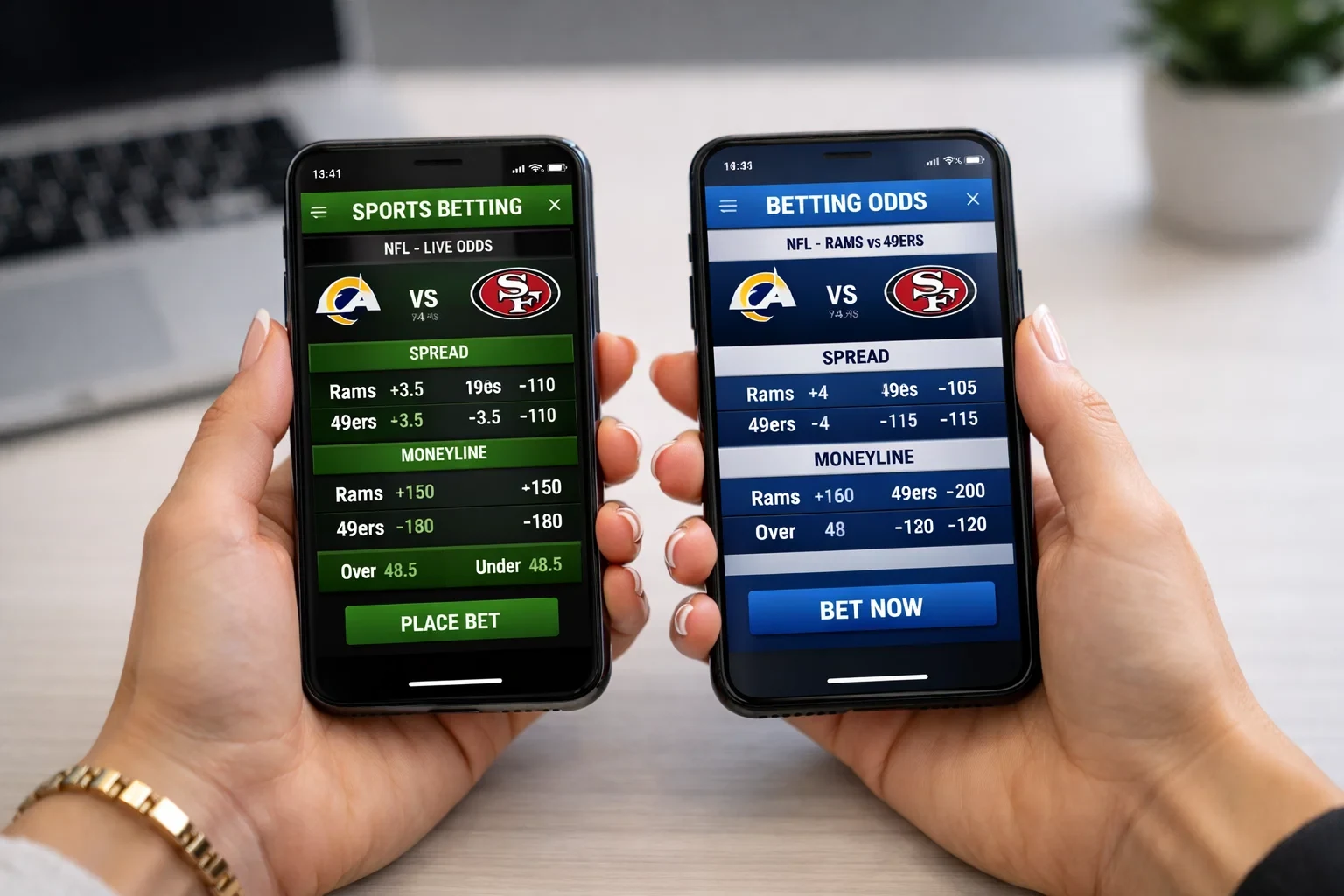
If there's one habit that separates consistently profitable bettors from recreational players, it's line shopping. The concept is simple: before placing any bet, check multiple sportsbooks to find the best available odds on your wager. The execution requires maintaining accounts at several platforms and developing the discipline to compare prices before every bet.
Line shopping won't transform losing bettors into winners overnight. But for anyone with even a modest edge, consistently getting the best available price compounds into meaningful profit over time. This article explains why line shopping matters, how to do it efficiently, and which tools can streamline the process.
Why Different Sportsbooks Offer Different Odds
You might assume that odds on the same game would be identical across sportsbooks. After all, everyone is betting on the same event with the same teams. But odds vary for several reasons.
Different customer bases create different liabilities. If one sportsbook has received heavy action on Team A, they'll shade their odds to encourage bets on Team B. Another sportsbook with balanced action might offer better prices on Team A. Each book is managing its own risk based on its own betting patterns.
Sportsbooks have different operating models. Some books cater to recreational bettors and build larger margins into their odds. Others target sharp bettors with tighter margins, hoping to attract volume through competitive pricing. These philosophical differences create persistent price variations.
Speed of line movement differs. When news breaks—an injury, a lineup change, weather conditions—some sportsbooks update their lines faster than others. The books that react slowly temporarily offer stale odds that represent value until they catch up.
Prop markets are particularly inconsistent. For player props and other derivative markets, sportsbooks often set odds independently rather than following a consensus line. This creates substantial price variations, especially in less popular sports or markets.
The Math of Line Shopping
Small differences in odds might seem insignificant, but they accumulate dramatically over time.
Consider a simple example. You want to bet on the Indiana Fever moneyline. FanDuel offers +145, while DraftKings offers +155. Both represent the same outcome—Indiana winning—but the prices differ meaningfully.
With a $100 bet:
At +145, a Fever win pays $145 profit
At +155, a Fever win pays $155 profit
That's $10 more profit for the identical winning bet. If you place 200 bets over a year and average just $5 better per bet through line shopping, you've added $1,000 to your bottom line without changing anything about your analysis or bet selection.
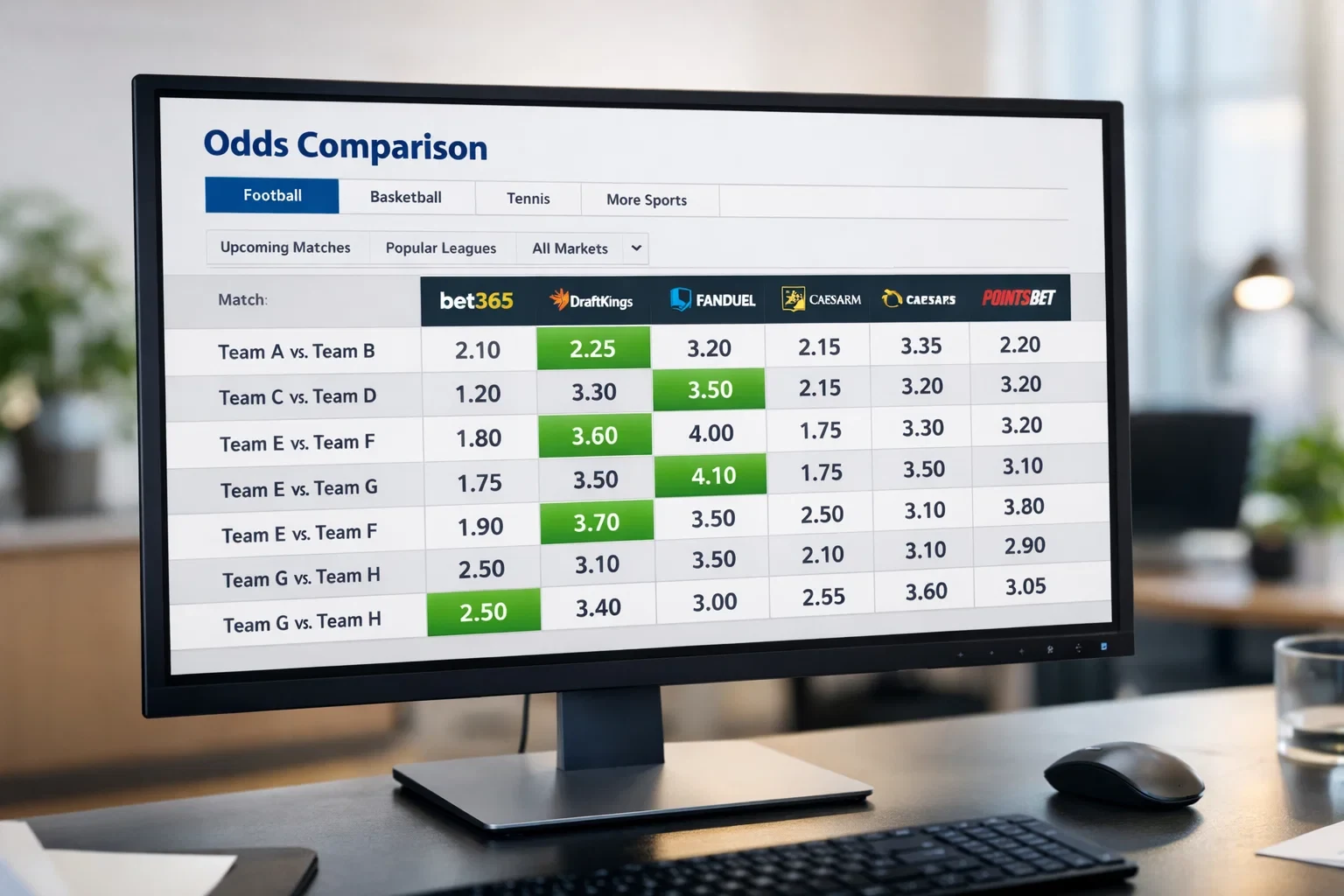
The impact on long-term profitability is even more significant. To overcome the standard -110 vig on spread bets, you need to win about 52.4% of your wagers. But if you consistently bet at -105 instead of -110 through disciplined line shopping, your required win rate drops to about 51.2%. That 1.2 percentage point difference is enormous over a large sample of bets.
Professional bettors understand this intuitively. They don't just bet at their favorite sportsbook—they always bet at the book offering the best price on their specific wager.
Setting Up for Line Shopping
Effective line shopping requires preparation before you're ready to place a bet.
Open accounts at multiple sportsbooks. At minimum, maintain active accounts at three to four major operators. More is better—serious bettors often have accounts at every legal sportsbook available in their state. Each additional account expands your access to potentially better odds.
Complete verification in advance. Don't wait until you want to place a bet to verify your identity and payment methods. Complete the signup process fully, including any document verification, so you're ready to bet immediately when you find the best line.
Keep some funds distributed. You can't bet at a sportsbook where your balance is zero. Maintain modest balances across multiple accounts so you can act quickly when you identify value. Some bettors keep the bulk of their bankroll in their primary account but maintain minimum amounts at secondary books for line shopping opportunities.
Familiarize yourself with each interface. Know how to quickly navigate each sportsbook's app so you can place bets efficiently. Time matters when odds are moving; fumbling through an unfamiliar interface costs you opportunities.
How to Line Shop Efficiently
With accounts established, develop a consistent routine for comparing odds.
Always check before betting. Make this an unbreakable habit. Never place a bet without first comparing the odds across at least your three or four primary sportsbooks. The extra minute this takes is the highest-value minute in your betting process.
Focus on the specific bet you want. Don't just compare point spreads in general—compare the exact spread and side you want to bet. Book A might have better odds on the favorite while Book B has better odds on the underdog.
Check the total package for parlays. When building same-game parlays or multi-leg bets, the best individual prices might be spread across different books. Sometimes one book offers the best overall parlay odds even if individual components are better priced elsewhere.
Be ready to act quickly. When you identify the best line, place your bet promptly. Odds can shift within minutes, especially around game time or when news breaks. The value you identified may evaporate if you hesitate.
Document your savings. Track the better odds you obtained through line shopping. This reinforces the habit by showing you concrete value, and helps you identify which sportsbooks consistently offer better prices for your betting patterns.
When Line Shopping Matters Most
Certain situations offer greater line shopping opportunities.
Moneylines on underdogs show the widest variation between sportsbooks. You might find one book offering +180 while another offers +195 on the same team. These differences matter enormously for your expected return.
Key numbers in spread betting are particularly valuable to shop. In football, spreads of 3 and 7 are crucial because games frequently land on these margins. Getting +3 instead of +2.5 at the same price, or getting -3 at -105 instead of -110, significantly affects your long-term results.
Player props are often mispriced differently across books because sportsbooks set these lines more independently. If you bet props regularly, line shopping becomes even more important.
Early lines before the betting market has fully formed sometimes offer value at books that moved first. Conversely, some books consistently post sharper opening lines while others lag behind.
After news breaks, the sportsbooks that react more slowly temporarily offer stale odds. If a key player is ruled out, some books will adjust within minutes while others take longer.
Tools for Comparing Odds
Odds comparison websites display lines from multiple sportsbooks on a single screen. Sites like OddsChecker, Covers, OddsTrader, and OddsPortal aggregate odds across legal U.S. sportsbooks, often highlighting the best available price for each bet. These tools save tremendous time compared to manually checking each sportsbook.
Dedicated apps like Action Network and VegasInsider provide mobile-friendly odds comparison alongside analysis and betting tools. Action Network's BetSync feature even tracks your bets across partner sportsbooks automatically.
Sportsbook-specific line trackers show how odds have moved over time, helping you identify when a line represents good value relative to where it opened or where it's been.
Be aware that comparison tools have limitations. They may not include every sportsbook, odds might be slightly delayed, and not all markets (especially props) are covered. Always verify the actual odds at the sportsbook before placing your bet.
Apply the famous kelly criterion easily.
Sport-Specific Considerations
NFL betting sees tight lines on major markets because of heavy betting volume, but opportunities exist around key numbers. The difference between -3 and -2.5 is enormous in football. Less popular games and player props offer more variation.
NBA betting experiences frequent line movement based on injury news. Star players resting can swing lines several points, and books react at different speeds. Shopping becomes especially valuable when news is breaking.
MLB betting is heavily moneyline-based, and moneyline odds vary substantially between books. Over a 162-game season, consistently getting better prices on underdogs adds significant value.
WNBA and women's sports often see wider variation between books because these markets receive less attention from oddsmakers and bettors. The books that specialize less in women's sports may offer softer lines.
Props and derivatives show the most inconsistency. Because these aren't core markets, sportsbooks price them more independently. Serious prop bettors consider line shopping absolutely essential.
Common Mistakes to Avoid
Even bettors who understand line shopping sometimes undermine their efforts.
Loyalty to a single sportsbook is the biggest mistake. You might prefer one app's interface or enjoy their promotions, but exclusively betting there guarantees you're leaving money on the table. Use your favorite book when they have the best odds; use others when they don't.
Ignoring small differences adds up badly. A few cents of extra juice here, a half-point of spread there—it seems trivial on any individual bet but compounds substantially over hundreds of wagers.
Failing to maintain balances across books means you can't act when you find value. If your preferred line is at a book with zero balance, you either miss the bet or take worse odds elsewhere.
Not checking props because it seems like too much work sacrifices significant opportunity. If you bet props regularly, the extra time spent shopping pays for itself many times over.
Assuming comparison sites are complete can mean missing the best price. Some regional or smaller sportsbooks may not appear on comparison tools but could offer excellent odds.
Making Line Shopping a Habit
The key to benefiting from line shopping is consistency. Every bet, every time—no exceptions.
Build the behavior into your routine. Before any bet, your first action is checking multiple books. Make it automatic, not optional. When you're tempted to skip this step because you're in a hurry or feel confident your regular book has a good line, resist. The times you skip are often the times you'd have found meaningful value elsewhere.
Over time, you'll develop intuition for which books tend to offer better prices on which types of bets. Maybe FanDuel consistently has better WNBA player props while DraftKings offers better NFL alternate spreads. This knowledge lets you streamline your shopping without sacrificing thoroughness.
Line shopping won't overcome a fundamentally flawed betting approach. But for bettors with any edge at all, it's the easiest way to maximize that edge. The extra few minutes per bet translates directly into improved long-term returns—and that's value no serious bettor should leave on the table.
Enjoy steady secure income through women bet.
