 WomenBet
Finding Your Betting Community as a Woman: Networks, Resources, and Support
 Available in US
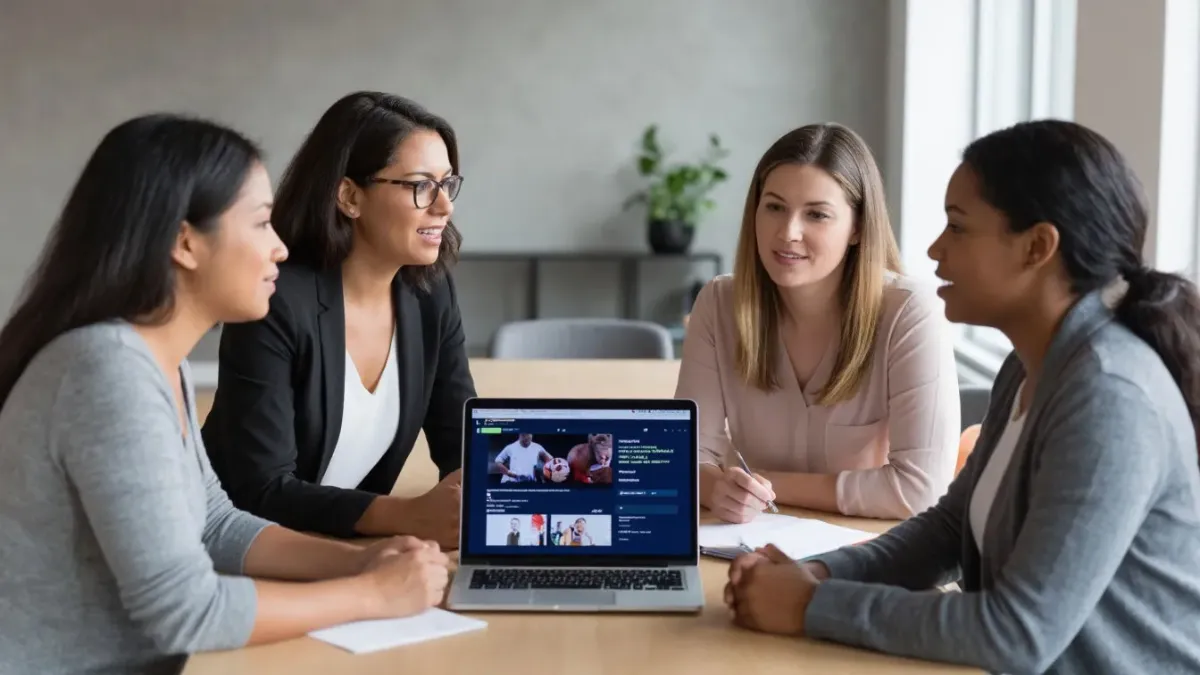
Finding community as a female bettor shouldn't be difficult in 2025, but it often is. The betting world spent decades building infrastructure, culture, and social spaces designed by and for men. Walking into those spaces as a woman frequently means encountering assumptions about your knowledge, condescension disguised as helpfulness, unwanted attention that has nothing to do with betting, or outright hostility toward female participation in what some men consider their exclusive domain.
The good news is that women's betting communities are growing rapidly and creating spaces where female bettors can learn, share information, celebrate wins, and support each other through losses without the friction that characterizes many male-dominated betting spaces. These communities exist online and increasingly in person, built by women who recognized that existing betting culture wasn't serving female bettors well.
Community matters more than most bettors realize, regardless of gender. Betting is intellectually challenging, emotionally demanding, and socially isolating if you're doing it alone. Having people who understand what you're experiencing, who can answer questions without judgment, who celebrate your successes authentically, and who provide perspective during inevitable rough patches makes betting sustainable as long-term activity rather than something you quit in frustration.
For women specifically, community provides validation that you belong in betting spaces, educational resources tailored to how women actually learn and bet, protection against some of the predatory behavior that targets female bettors, and social connection around shared interest. The collaborative rather than competitive culture that characterizes many women's betting communities also aligns better with how most women prefer to engage with betting.
This guide maps the landscape of women's betting communities, explains how to find spaces that match your needs and preferences, provides strategies for evaluating whether specific communities are healthy and helpful, and offers guidance on contributing to communities in ways that strengthen the broader ecosystem of female betting culture. Whether you're completely new to betting and seeking foundational education, an experienced bettor looking for peers at your level, or somewhere in between, communities exist that can support your betting journey. The challenge is knowing where to look and how to evaluate what you find.
Why Community Matters for Female Bettors
The benefits of community for female bettors extend beyond the obvious social connection, though that alone is valuable. Community provides practical advantages that directly improve betting outcomes and sustainability.
The educational value of community is immense. Learning from other women who've navigated the challenges of starting to bet, who've developed successful strategies, and who can explain concepts in accessible ways accelerates your learning dramatically. One conversation with an experienced bettor who remembers being confused by the same thing you're confused by now can save hours of frustration. Community transforms the solitary struggle of figuring everything out alone into collaborative learning where knowledge builds collectively.

The collaborative information sharing that characterizes women's betting communities creates advantages unavailable to solitary bettors. When multiple people watch games, track statistics, follow news, and share observations, the collective intelligence exceeds what any individual can develop alone. This isn't about copying picks blindly—it's about accessing diverse perspectives that help you form better-informed opinions. Someone else noticed the injury news you missed. Someone tracked a relevant statistic you weren't monitoring. Community fills information gaps.
The emotional support during losing streaks prevents the despair that drives many bettors to quit or make desperate decisions trying to recover losses. When you're losing consistently, the voice in your head saying you're terrible at this and should quit becomes overwhelming. Community provides perspective—everyone experiences losing streaks, variance is real, your process might be sound even when results are temporarily poor. This perspective prevents emotional overreactions that destroy bankrolls and motivation.
The accountability that community provides helps maintain discipline that's easy to abandon when betting alone. If you've told your betting group that you're limiting yourself to three bets per week, that public commitment makes it harder to impulsively bet fifteen games on Sunday. If you've shared your bankroll management rules, you feel social pressure to follow them even when tempted to break them. This accountability isn't judgmental—it's supportive structure that reinforces your own goals when willpower wavers.
The celebration of wins feels more satisfying when shared with people who understand the analysis and effort behind the winning bet. Your partner who doesn't bet might be happy for you, but they don't understand what you did to identify the value. Your betting community does. They appreciate the research, recognize the smart thinking, and celebrate authentically because they know how hard winning bets are to find.
The protection from predatory behavior that community provides is significant. Scammers selling picks, toxic men seeking to exploit female bettors, and platforms with predatory terms all get identified and warned about within community. New bettors protected by community avoid expensive mistakes that solitary bettors make repeatedly.
The normalization of female participation in betting that community creates matters culturally. When you see other women betting successfully, posting analysis confidently, and engaging as equals in betting discourse, it reinforces that you belong in these spaces. The representation matters for combating internalized doubt about whether women should be betting or whether you're somehow an anomaly.
The collaborative rather than competitive culture in women's betting communities aligns with how most women prefer to engage socially. Male betting spaces often involve competitive posturing, challenges to prove expertise, and zero-sum thinking where someone else's success threatens your status. Women's spaces more often feature genuine collaboration where everyone's success is celebrated because it doesn't threaten anyone else. This cultural difference makes betting more enjoyable and sustainable.
The practical benefits compound over time. Bettors active in healthy communities improve faster, maintain discipline better, survive losing streaks more consistently, and sustain betting as long-term hobby more successfully than isolated bettors. Community isn't optional extra—it's foundational infrastructure supporting successful betting.
The benefits of community for female bettors extend beyond obvious social connection, though that alone is valuable. Community provides practical advantages that directly improve betting outcomes and sustainability.
The educational value of community is immense. Learning from other women who've navigated the challenges of starting to bet, who've developed successful strategies, and who can explain concepts in accessible ways accelerates learning dramatically. One conversation with an experienced bettor who remembers being confused by the same thing you're confused by now can save hours of frustration.
The collaborative information sharing that characterizes women's betting communities creates advantages unavailable to solitary bettors. When multiple people watch games, track statistics, follow news, and share observations, collective intelligence exceeds what any individual can develop alone. This isn't about copying picks—it's about accessing diverse perspectives that help you form better-informed opinions.
Review the mandatory legal notice terms.
Online Communities for Female Bettors
Online communities serve as the primary gathering place for female bettors globally. These spaces range from massive platforms with thousands of members to intimate Discord servers with fifty carefully selected participants. Each offers distinct advantages depending on your needs and preferences.
Reddit hosts several women-focused betting communities that balance accessibility with quality discussion. Communities like r/WomenWhoBet and sport-specific subreddits with strong female participation provide space where women can participate without the harassment that characterizes general betting subreddits. These communities typically feature daily discussion threads, educational resources for beginners, celebration posts for wins, and support during losing streaks. The moderation quality varies significantly—communities with active moderators who enforce conduct standards create healthier environments than those where moderation is absent or inconsistent.
Dedicated forums built specifically for women bettors provide more focused environments than general platforms. Sites like BetterHer and Women Who Wager create comprehensive communities with structured educational content, vetted expert contributors, and carefully moderated discussions. These platforms typically require registration and verification, which filters out bad actors and creates safer spaces than completely open platforms. The barrier to entry is minimal but effective at maintaining community quality.
Discord servers offer real-time community interaction that asynchronous forums can't match. Many women bettors prefer Discord because it combines the structure of dedicated channels for different sports or topics with the immediacy of chat-style communication. Good Discord communities have clear rules, active moderation, separate channels for different experience levels, and voice channels for game-watching parties. The ephemeral nature of Discord—messages scroll past rather than staying visible indefinitely—creates different dynamic than traditional forums where threads remain accessible long-term.

Telegram groups provide another real-time option with different structure than Discord. Many sports-specific betting groups for women operate on Telegram, offering push notifications for time-sensitive information and simpler interface than Discord's multiple channels. The private group format enables more selective communities where members know each other and trust is higher.
Private Facebook groups continue serving older demographics of women bettors despite younger bettors gravitating toward other platforms. These groups often connect local communities or serve specific niches within women's betting. The advantage of Facebook is that most people already have accounts and understand the interface. The disadvantage is less anonymity than other platforms, which some women prefer for betting discussions.
The evaluation criteria for online communities includes several key factors. The moderation quality matters most—communities with clear rules, consistent enforcement, and active moderators who address harassment immediately create much healthier environments than unmoderated or poorly moderated spaces. The size-to-quality ratio is important—massive communities often have more activity but lower signal-to-noise ratio and less intimate connection between members. The expertise level distribution affects whether you'll find appropriate peers—communities dominated by complete beginners offer different value than those with experienced bettors.
The culture and tone of community reveals itself quickly through lurking before participating. Healthy communities feature supportive interactions, celebration of others' successes, constructive feedback on analysis, and acknowledgment that everyone experiences losses. Toxic communities show competitive posturing, celebration of others' losses, dismissiveness toward beginners, or tolerance of harassment.
The activity level and consistency matters for community value. Communities with consistent daily activity from diverse members provide more value than those where one or two people post everything or where activity is sporadic. The best communities maintain consistent engagement regardless of what sports are in season.
The privacy and safety features that communities implement protect members from harassment and bad actors. Communities that require verification, have private membership, enforce real-name policies for accountability, or implement other security measures create safer environments for women.
The integration with educational resources makes some communities much more valuable for learning. Communities that provide structured learning paths, maintain libraries of educational content, facilitate mentorship matching, and create spaces for asking basic questions without judgment accelerate member development.
Social Media Communities
Social media platforms host vibrant communities of women bettors, though these communities function differently than dedicated forums or Discord servers. The public nature and algorithmic content distribution create different dynamic than private communities.
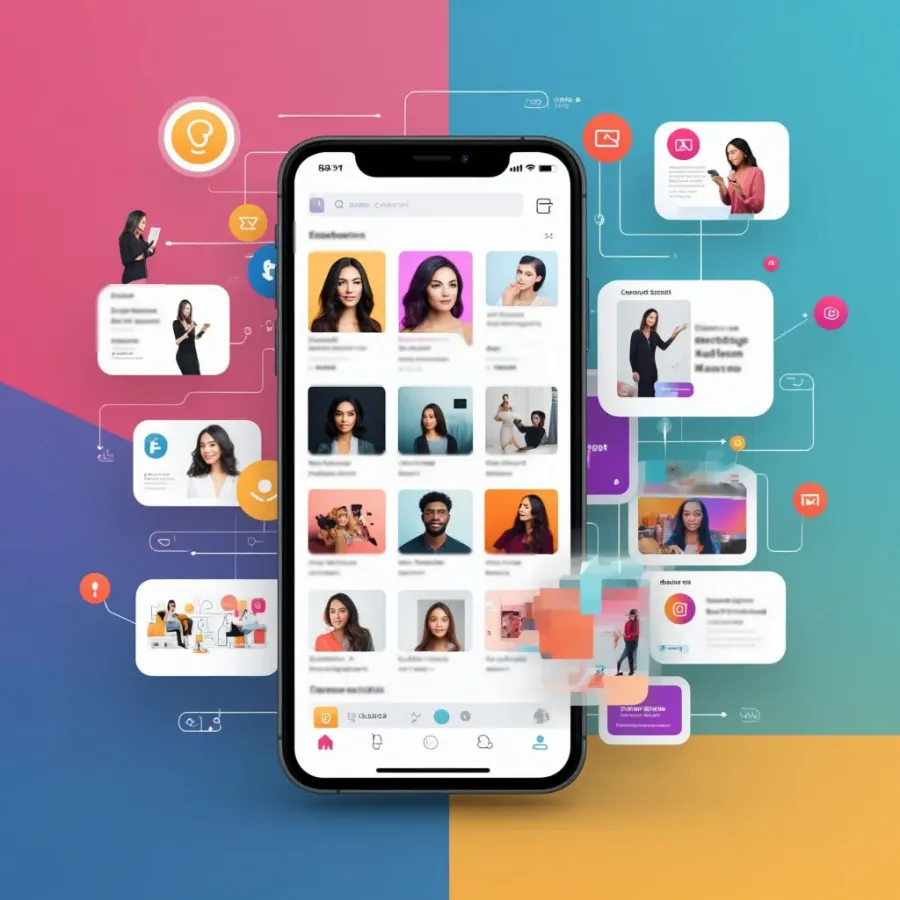
Twitter remains the primary social platform for betting discourse despite its chaos. Women bettors build communities through following each other, engaging with content, and participating in public conversations about betting. The advantage of Twitter is accessing expert analysis and breaking news immediately. The disadvantage is the platform's toxicity and the harassment that women bettors experience regularly. Many successful women bettors on Twitter maintain strict blocking policies and curate their feeds aggressively to create manageable experience.
Instagram serves different purpose in betting community landscape. While real-time discussion happens elsewhere, Instagram enables women bettors to build personal brands, share longer-form educational content, and create visual content explaining betting concepts. Many women prefer Instagram's format for building following because it feels less combative than Twitter. Instagram Stories enable daily check-ins and community engagement without permanent posting pressure.
TikTok has emerged as unexpected platform for women's betting content, particularly for reaching younger bettors. Short videos explaining betting concepts, showing betting routines, celebrating wins, or discussing betting experiences reach audiences who wouldn't engage with traditional written content. The algorithm that surfaces content to non-followers helps women betting creators build audiences faster than on follow-dependent platforms.
The approach to social media community participation differs from private communities. Social media requires more defensive posture—you're engaging publicly where harassment is common and bad actors are everywhere. Building your network thoughtfully by following proven quality accounts rather than everyone who follows you creates better experience. Engaging selectively by responding to valuable content but ignoring provocative nonsense maintains sanity.
The value proposition of social media communities is primarily about information access and expert learning rather than intimate connection. You follow successful women bettors to learn from their analysis, see their process, and understand their thinking. The parasocial relationships formed through social media provide educational value even without direct interaction.
The content creation aspect of social media enables participation beyond consuming content. Creating content forces you to articulate your thinking clearly, invites feedback that improves your analysis, and builds reputation within community. You don't need massive following to provide value—consistently sharing quality analysis attracts right people over time.
The networking opportunities through social media connect you with other bettors who might become closer community members through other channels. Many Discord communities or small betting networks form through initial Twitter connections. Social media serves as discovery mechanism for deeper community engagement.
Local and In-Person Communities
Local in-person communities provide different value than online spaces. The personal connection from meeting face-to-face, the accountability from real-world relationships, and the social enjoyment of watching games together create community experience unavailable online.
Sports bars with female-friendly cultures host informal women's betting groups. While traditional sports bars often feel hostile to women, establishments that actively create inclusive environments attract women bettors who organize regular viewing parties. These informal communities form organically when women who bet start attending regularly and recognize each other.

Organized meetup groups specifically for women bettors exist in major cities. These groups coordinate through platforms like Meetup or private social media groups, organizing viewing parties for major sporting events, monthly social gatherings, and educational workshops. The structured nature makes participation easier than trying to form communities organically.
The fantasy sports leagues for women often include women who also bet on sports. While fantasy sports and betting are different activities, the overlap is significant and fantasy leagues provide natural community formation mechanism. Women-only fantasy leagues create space where betting discussions happen naturally alongside fantasy talk.
Bookmaker-sponsored events increasingly target women bettors specifically. Major sportsbooks host women's betting brunches, viewing parties with female experts, and educational events designed to attract and serve women bettors. While these events have commercial motivation, they create legitimate opportunities for women to meet other women bettors locally.
The alumni networks and professional organizations sometimes include betting subgroups. Women's professional networks that organize around other shared interests often have members who bet on sports, and betting becomes additional connection point within existing community.
The approach to finding local community requires more initiative than joining online spaces. Start by attending public events at betting-friendly venues and talking to women you see who are clearly betting. Use online communities to ask about local groups in your city. Consider organizing your own small viewing party and inviting women you've connected with online.
The value of local community is the personal relationships that develop. Online community provides information and support, but local community provides friendship. The women you watch games with regularly become genuine friends rather than internet acquaintances. This social benefit matters enormously for sustained betting engagement.
The challenges of local community include limited size in smaller markets and greater organizational burden than online spaces where infrastructure exists. Rural areas and small cities may not have critical mass of women bettors to support local community. The solution is often hybrid approach—online community for daily interaction supplemented by occasional travel to regional meetups in larger cities.
Educational Resources and Mentorship Programs
Structured educational resources and formal mentorship programs provide systematic learning that supplements community-based learning. While community enables peer-to-peer knowledge sharing, formal education provides comprehensive foundation.
Women-focused betting courses have proliferated as women's betting market grows. These courses cover everything from absolute basics for complete beginners to advanced strategies for experienced bettors. The courses specifically designed for women differ from generic betting education by addressing the specific challenges women face, teaching in ways that align with how women typically learn, and creating psychologically safe learning environments.
The evaluation criteria for betting courses includes instructor expertise and teaching ability, curriculum comprehensiveness, practical application opportunities, support and community during and after course, and results that graduates achieve. Expensive courses aren't automatically better than affordable options—what matters is whether the teaching matches your learning style and current skill level.
The mentorship programs that pair experienced bettors with beginners accelerate learning dramatically. Formal mentorship programs structure the relationship, provide curriculum or framework, ensure commitment from both parties, and create accountability for progress. The best programs match mentors and mentees thoughtfully based on betting interests, learning styles, and personality compatibility.
The informal mentorship that develops within communities often proves as valuable as formal programs. When you find someone in your community whose betting approach resonates with you, asking if they'd be willing to mentor informally often works. Most successful bettors remember the help they received and want to pay forward by helping others.
The expert-led workshops and webinars provide access to high-level instruction without full course commitment. Many successful women bettors offer periodic workshops teaching specific skills or strategies. These focused learning opportunities complement broader education.
The content creators who focus on education serve as informal mentors even without direct relationship. Following several quality educators, consuming their content consistently, and implementing their teaching provides structured learning path. The parasocial mentorship that develops through content consumption shouldn't be dismissed—learning from experts through their content is legitimate education.
The approach to educational resource utilization works best when combining multiple sources. Take a foundational course, follow several educators for different perspectives, join mentorship program if available, and apply everything in practice. The multi-source approach prevents over-reliance on single perspective and builds more robust understanding.
Evaluating Community Health
Not all communities are healthy or helpful. Learning to evaluate community health prevents wasting time in toxic spaces and helps identify communities worth investing in.
The moderation quality is the single most important indicator of community health. Communities with clear rules, consistent enforcement, active moderators who respond to problems quickly, and transparent moderation decisions create healthier environments than those lacking these elements. Watch how moderators handle conflict, harassment, or rule violations. Their response tells you whether the community will be safe space for you.
The ratio of support to criticism reveals community culture. Healthy communities offer more support than criticism and deliver criticism constructively when necessary. Toxic communities feature constant criticism, competitive posturing, celebration of others' failures, and dismissiveness toward members seeking help.
The treatment of beginners indicates whether community welcomes new members genuinely. Communities where beginners feel comfortable asking questions, where experienced members answer patiently, and where nobody shames people for not knowing things create environments where everyone can learn. Communities where beginners are mocked or ignored aren't worth your time.
The gender dynamics in mixed-gender communities require attention. Some ostensibly inclusive communities tolerate casual sexism, minimize women's contributions, or fail to address harassment of women members. These communities aren't actually inclusive regardless of stated policies. True inclusion shows in how women are treated daily, not in written rules.
The commercial transparency matters for trust. Communities where commercial relationships are disclosed, where moderators don't secretly profit from recommendations, and where sponsored content is clearly marked deserve more trust than those hiding commercial motivations. Be especially wary of communities that heavily promote specific betting services without disclosure.
The expertise distribution affects learning opportunities. Communities with members at various skill levels provide better learning environment than those dominated entirely by either beginners or experts. You want people slightly ahead of you to learn from and people slightly behind to teach.
The information quality separates valuable communities from noise. Communities where analysis is thoughtful, claims are supported with reasoning, and results are discussed honestly provide much more value than those filled with empty boasting and unsupported claims.
The longevity and retention indicate community health. Communities that retain members long-term and have existed for years demonstrate that they're providing sustained value. High turnover or young communities may indicate problems.
The red flags that indicate unhealthy communities include tolerance of harassment, inconsistent or absent moderation, pressure to spend money on services, cult-like devotion to specific members or methodologies, suppression of dissenting opinions, celebration of others' losses, and lack of transparency about commercial relationships.
The approach to community evaluation involves lurking before participating fully. Spend time observing how community operates before committing time and energy. Notice who is valued and why. Watch how conflict is handled. See whether the stated community values align with actual behavior. This observation period prevents investing in communities that ultimately won't serve you well.
Building Smaller Personal Networks
While large communities provide certain benefits, smaller personal networks of trusted betting friends often provide the most valuable support and learning opportunities. These networks combine community benefits with intimate relationships.
The structure of small networks typically involves three to ten people who know each other well, share similar betting interests and skill levels, communicate regularly through private channels, and have developed genuine friendships beyond betting. These networks often form when people meet in larger communities and realize they particularly connect with certain members.
The advantages of small networks include psychological safety to share struggles without judgment, trusted analysis from people whose judgment you respect, accountability from people who know you and your goals, celebration of wins that feels genuine rather than performative, and friendship that extends beyond betting to become meaningful relationship.
The formation of small networks happens organically more than deliberately. You identify people in larger communities whose analysis resonates with you, whose values align with yours, and whose personality meshes with yours. Natural connection leads to more private communication, which gradually solidifies into small network. Forcing network formation rarely works—authentic connections can't be manufactured.
The maintenance of small networks requires intentional effort. Regular communication even during off-seasons, sharing beyond just betting picks to include process and struggles, showing up consistently for other members, and investing in relationships as friendships rather than purely transactional betting arrangements keeps networks strong.
The evolution over time is natural and healthy. Networks grow as new people are added, shrink as members' lives change or interests shift, and transform as relationships deepen. Accepting this evolution rather than trying to freeze networks at some idealized state keeps them sustainable.
The diversity within small networks enhances their value. Networks with members at different skill levels, interested in different sports, with different betting approaches, or from different backgrounds provide more learning opportunities than homogeneous networks. The diversity should feel natural rather than forced—it emerges from genuine connection with different types of people.
The boundaries that small networks establish protect their intimacy. These networks typically remain private rather than advertising their existence, carefully consider before adding new members, and maintain some separation from larger public communities. The selectivity isn't about exclusion—it's about maintaining the trust and vulnerability that small networks enable.
The value proposition of small networks is relationship quality over quantity. Large communities provide breadth—access to many people and diverse perspectives. Small networks provide depth—trusted friends who truly know you and genuinely care about your success. Both have value, and most successful bettors maintain both types of community.
The conflict resolution in small networks requires direct communication. When tensions arise—and they will—address them directly rather than letting resentment build. Small networks can't absorb unresolved conflict the way large communities can. The requirement for direct communication is both challenge and benefit.
The evolution of networks over time is natural. People's interests change, life circumstances shift, some members fade while new people join. Accepting evolution rather than trying to freeze networks in original form keeps them healthy. The relationships built through networks often outlast the specific shared interest that created them.
Contributing to the Community
Contributing to betting communities provides as much value to you as to others. The process of articulating your thinking, helping others, and participating actively accelerates your own development while strengthening the broader community.
Share your process, not just results. Posting that you won a bet provides little value. Explaining why you made the bet, what factors you considered, and how you evaluated the opportunity teaches others and invites feedback that improves your thinking. Process sharing creates learning opportunities. Results sharing creates noise.
Answer questions from beginners even when you're not expert. You don't need to be expert to help someone more confused than you. Explaining concepts to beginners solidifies your own understanding. The question you answer today is the question you had last month—pay forward the help you received.
Celebrate others' successes authentically. When someone in your community hits a big win or achieves a milestone, celebrate genuinely. Collaborative culture depends on authentic celebration of others' success without envy or competitiveness. Your sincere happiness for others creates environment where people celebrate your successes.
Share resources you find valuable. If you discover useful article, helpful tool, or insightful analysis, share it in community. Curating and sharing valuable resources contributes enormously even if you're not creating original content. The person who connects people to good information provides real value.
Call out toxic behavior when you see it. Don't ignore harassment, scams, or predatory behavior hoping someone else will address it. Speaking up when you witness toxicity helps create healthier communities. This doesn't mean starting fights—it means reporting to moderators or saying directly that behavior is unacceptable.

Mentor when you reach intermediate level. You don't need to be expert to mentor beginners. Your recent experience learning makes you effective teacher because you remember what was confusing. Offering to help one or two people privately provides tremendous value to them while cementing your own learning.
Create content if you're able. Writing analysis, recording videos, hosting discussions—creating content contributes to community knowledge base. Don't let perfectionism prevent participation. Imperfect content that exists helps more than perfect content you never create.
Be the community member you needed when starting. Remember your experience as beginner—the confusion, anxiety, excitement, and need for support. Be that supportive presence for others entering community now. This reciprocity sustains communities across generations of members.
Women in Betting Communities: Key Benefits, Resources, and Support Networks
Finding your betting community as a woman requires more effort than it should, but the payoff is enormous. Community transforms betting from solitary activity into shared experience that's more educational, more sustainable, and more enjoyable. The connections you build through betting often extend beyond gambling into genuine friendships based on shared interests and values.
The landscape of women's betting communities has improved dramatically in just three years and continues evolving rapidly. Options that didn't exist when you started reading this article will exist by the time you finish. The growth trajectory suggests that finding community will only become easier as more women enter betting and more infrastructure develops serving female bettors.
The approach that works best combines multiple community types. Online communities for daily interaction and information sharing. Social media for following experts and discovering content. Local groups for occasional face-to-face connection. Small private networks for deep relationships. Educational resources for systematic learning. This multi-layered approach provides comprehensive support ecosystem.
The investment of time and energy into community pays returns forever. The relationships built, knowledge gained, and support received compound over time. Bettors active in healthy communities succeed more often, enjoy betting more consistently, and sustain engagement longer than isolated bettors.
The final word is that you belong in betting spaces, your perspective adds value to communities, and the women who came before you want you to succeed. The communities exist, the people are welcoming, and the support is real. All that's required is taking first step of showing up and participating.
Finding your betting community as a woman requires more effort than it should, but the payoff is enormous. Community transforms betting from solitary activity into shared experience that's more educational, more sustainable, and more enjoyable. The connections you build often extend beyond gambling into genuine friendships.
The landscape of women's betting communities has improved dramatically in just three years and continues evolving rapidly. Options that didn't exist when you started reading this will exist by the time you finish. The growth trajectory suggests finding community will only become easier.
The approach that works best combines multiple community types. Online communities for daily interaction. Social media for following experts. Local groups for occasional face-to-face connection. Small private networks for deep relationships. Educational resources for systematic learning. This multi-layered approach provides comprehensive support.
The investment of time and energy into community pays returns forever. The relationships built, knowledge gained, and support received compound over time. Bettors active in healthy communities succeed more often, enjoy betting more consistently, and sustain engagement longer than isolated bettors.
The final word is that you belong in betting spaces, your perspective adds value to communities, and the women who came before you want you to succeed. The communities exist, the people are welcoming, and the support is real. All that's required is taking first step of showing up.
Make safer regular predictions with women bet.
