 WomenBet
College Women’s Basketball Betting
 Available in US
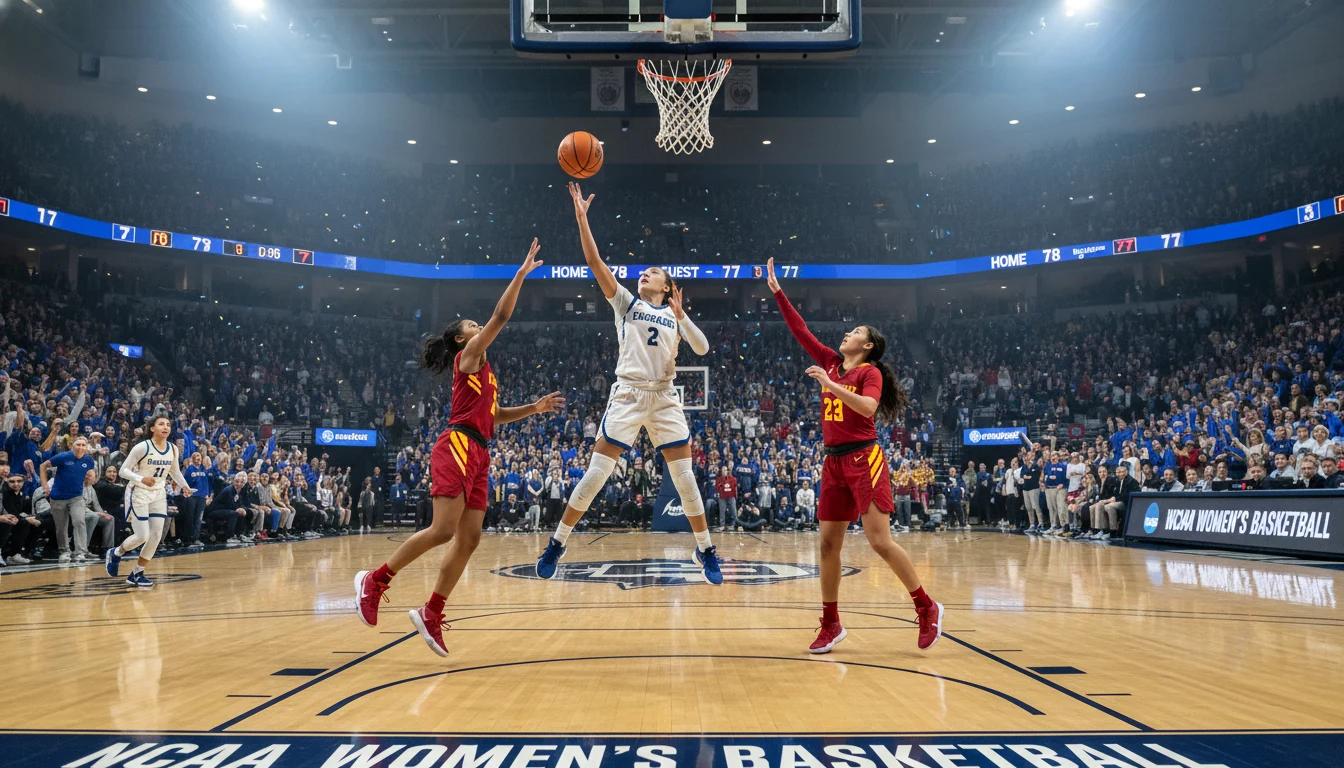
The explosion in women's college basketball popularity has transformed it from a betting afterthought into one of the most dynamic wagering opportunities on the sports calendar. The 2024 NCAA Tournament championship game between South Carolina and Iowa drew nearly 19 million viewers—more than the men's final—and sportsbooks scrambled to expand their offerings to meet surging demand. What was once a market with limited lines and spotty coverage has become a year-round betting opportunity with robust markets rivaling men's college basketball.
This shift creates genuine opportunity for bettors willing to invest time in understanding the women's game. While sportsbooks have expanded coverage, their analytical resources still lag behind what they dedicate to the men's side. The lines are softer, the inefficiencies more exploitable, and the potential for edge greater. But capturing that edge requires understanding the unique dynamics of women's college basketball—dynamics that differ meaningfully from both the men's game and professional women's basketball.
Understanding the Competitive Landscape
Women's college basketball has its own power structure that bettors must understand before risking money. A handful of programs have historically dominated the sport, and while recent years have seen increased parity, the elite programs still possess massive advantages in recruiting, facilities, and coaching that translate to on-court dominance.
UConn remains the defining dynasty, with 11 national championships under Geno Auriemma. South Carolina under Dawn Staley has emerged as the clear primary challenger, capturing multiple titles and consistently fielding championship-caliber rosters. Other blue-blood programs—Stanford, Tennessee, Notre Dame, Baylor, LSU—cycle through periods of contention based on recruiting classes and roster construction. Understanding where each program sits in its competitive cycle helps calibrate betting expectations.
Conference strength matters significantly. The SEC and Big Ten have emerged as the premier conferences, regularly placing multiple teams in Final Four contention. The ACC and Big 12 follow closely. Mid-major programs occasionally produce tournament surprises, but the talent concentration in power conferences has intensified as the sport's popularity and resources have grown.
Unlike men's basketball, where elite freshmen frequently leave after one season for the NBA, women's basketball features multi-year stars who develop over three or four years. This continuity creates more predictable team trajectories and deeper statistical baselines for analysis. A team's ceiling is often visible years in advance based on its recruiting pipeline and returning talent.
Regular Season Betting Opportunities
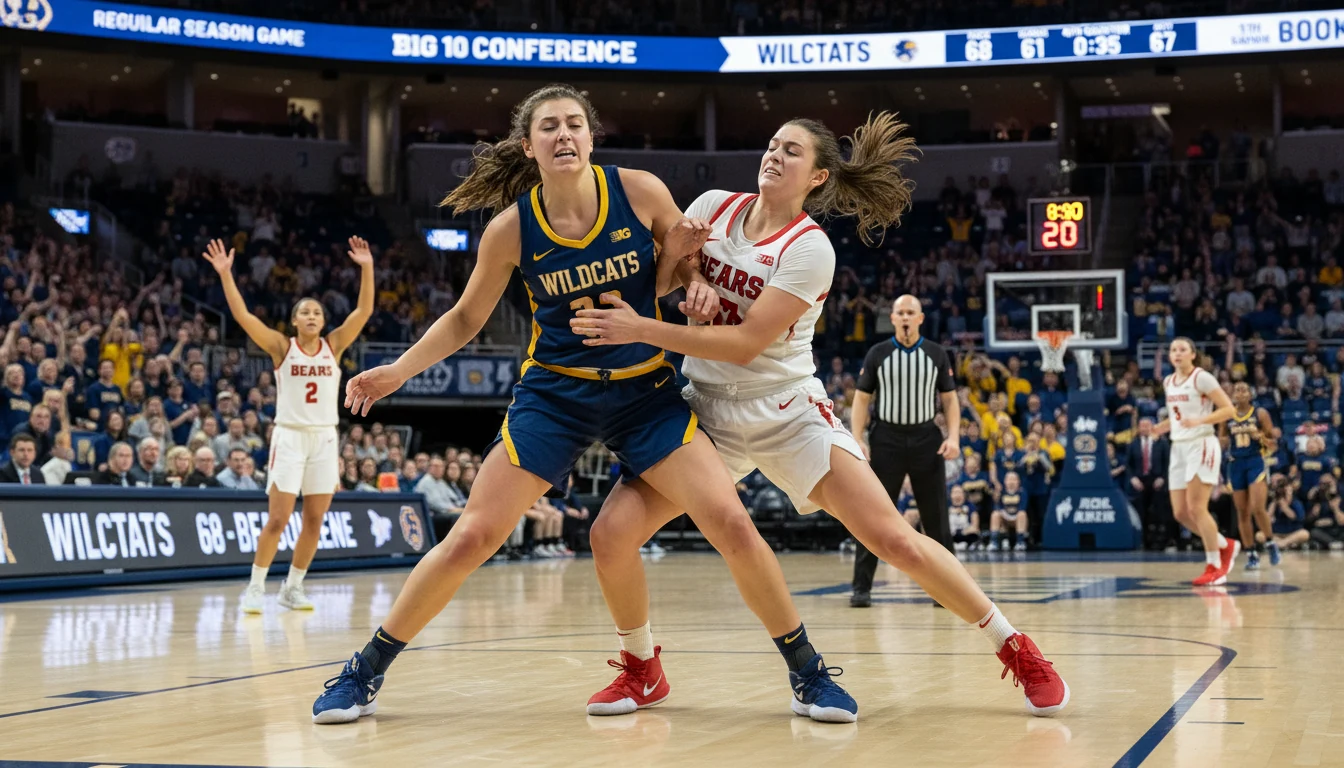
The November-through-March regular season offers consistent betting opportunities on women's games, though market availability varies significantly by matchup and sportsbook. High-profile conference matchups and ranked team games generally have full markets—spreads, totals, moneylines—while lower-profile games may have limited or no betting options.
Conference play betting differs from non-conference games in important ways. Teams play each conference opponent at least once (often twice), meaning coaches develop specific game plans and adjustments. Head-to-head history within conference matters more than in one-off non-conference matchups. Home-court advantage also tends to be more pronounced in conference play, where familiar rivals bring intensity and crowd energy exceeds typical game atmospheres.
Spreads in women's college basketball can run larger than in men's games due to greater talent disparity between programs. Double-digit spreads are routine, and spreads exceeding 20 points occur regularly when elite programs face weaker opponents. Betting these lopsided matchups requires understanding whether dominant teams tend to cover large spreads or let off the gas once games are decided.
Totals reflect the lower scoring pace compared to men's college basketball. A typical women's game might have a total in the 130-150 range, though uptempo teams can push higher. The style contrast between teams—press-and-run versus deliberate half-court—significantly affects totals. Two defensive teams grinding through possessions produce different scoring environments than two transition-oriented offenses pushing pace.
March Madness: The Main Event
The NCAA Tournament concentrates the most intense betting interest into three weeks of high-stakes competition. The 68-team single-elimination format produces drama, upsets, and betting opportunities unmatched by any regular-season action. Understanding tournament dynamics helps identify value.
Seed matchups follow predictable patterns worth knowing. Top seeds (1-4) dominate early rounds but face progressively stiffer tests. Historical data shows that 1-seeds overwhelmingly reach the Final Four, with upsets more likely in the 5-12 and 6-11 matchups where talent gaps narrow. The "Cinderella" runs common in men's tournaments occur less frequently in women's basketball, where elite programs' advantages tend to assert themselves.
The bracket structure creates value opportunities. One side of the bracket might feature a brutal path with multiple elite teams, while another side offers a softer route to the Final Four. Identifying which teams face favorable paths affects both futures value and individual game betting as the tournament progresses.
Single-elimination format heightens variance compared to regular-season series. A team can have an off shooting night, face a matchup problem, or simply get unlucky, ending their season regardless of overall quality. This variance favors underdogs more than regular-season betting would suggest—though not to the degree seen in men's basketball.
Player availability becomes crucial in tournament context. Stars playing through minor injuries that might sideline them in a regular-season game often gut it out in elimination situations, but their effectiveness may be compromised. Monitoring injury reports and watching for players moving gingerly during games provides information that betting lines may not fully reflect.
Tournament Betting Markets
March Madness offers the fullest array of betting markets available in women's college basketball. Understanding each market type helps identify where your analytical edge might be strongest.
Futures betting on tournament champions opens months before Selection Sunday and adjusts continuously based on regular-season performance. Early-season futures often offer the best value, as the market hasn't fully processed roster potential. The four-to-six weeks before the tournament typically see lines sharpen as sportsbooks focus more attention on setting accurate prices.
Round-by-round team futures—will this team reach the Sweet 16, Elite Eight, or Final Four—provide alternatives to championship futures. Sometimes a team's path to a certain round is clearer than their championship viability, making round advancement bets more attractive than outright futures.
Game-by-game betting throughout the tournament includes spreads, moneylines, and totals for each matchup. First-round games often feature the largest spreads of the tournament, while later rounds compress spreads as remaining teams are more evenly matched. Live betting during tournament games allows for in-game adjustments based on pace, foul trouble, and momentum swings.
Player props—points, rebounds, assists for individual players—are less available in women's college basketball than in professional sports but increasingly offered for high-profile games. When available, these markets may be less efficiently priced than team betting lines due to lower liquidity and less analytical attention.
Key Analytical Factors

Successful women's college basketball betting requires attending to factors that specifically affect this level of competition. These considerations should inform both regular-season and tournament betting.
Roster continuity and experience matter enormously. Teams returning significant experience from deep tournament runs often perform well in subsequent seasons. Conversely, teams replacing multiple starters face adjustment periods that affect early-season results. Track returning scoring, minutes, and lineup stability when evaluating teams.
Transfer portal activity has reshaped roster construction. Significant talent now moves between programs, sometimes dramatically altering team ceilings. A mid-tier team adding a star transfer might suddenly become tournament contenders, while a program losing key players to transfer might struggle despite past success. Monitor portal movement and assess how new additions fit with existing rosters.
Coaching and system continuity influences performance. Teams with established systems and stable coaching staffs tend to be more consistent than those undergoing transitions. A first-year coach implementing new schemes may need time before the team reaches full potential. Similarly, coordinator departures can affect specific aspects of team performance.
Pace and style matchups often determine outcomes regardless of overall talent levels. A slow-tempo, defensive-oriented team might frustrate a more talented opponent expecting to run. Conversely, elite athletic teams can overwhelm less talented opponents by pushing tempo before defenses set. Analyzing style matchups rather than just talent comparisons produces better predictions.
Learn to properly develop betting strategy.
Common Betting Mistakes
Avoiding predictable errors immediately improves your baseline performance in women's college basketball betting.
Over-relying on reputation rather than current form leads to backing name-brand programs that may be in transition years. Just because a program has historically dominated doesn't mean this season's roster continues that pattern. Evaluate current-year evidence rather than program prestige.
Underestimating rest and travel impact affects bettors who don't track scheduling. Back-to-back road games, long travel distances, and games following intense rivalry matchups all affect performance. The women's game receives less attention regarding these factors, meaning the betting lines may not fully account for them.
Assuming men's basketball patterns apply directly to women's games produces errors. The sports differ in scoring pace, upset frequency, and stylistic trends. Analyze women's basketball data independently rather than importing assumptions from the men's side.
Ignoring the regular season and betting only March Madness means missing value opportunities throughout the year when lines are softest. The tournament attracts the most attention and sharpest lines; regular-season games, particularly in November and December, often have more exploitable inefficiencies.
Building Your Edge
Long-term success in women's college basketball betting requires ongoing investment in knowledge and tracking. The sport is growing rapidly, meaning the opportunity window for exploiting inefficient lines may narrow as sportsbooks dedicate more resources.
Follow the sport year-round rather than arriving cold in March. Understanding which freshmen are exceeding expectations, which teams have gelled over the season, and which programs face chemistry issues provides essential context that casual bettors lack. Regular viewing develops intuition that statistical analysis alone cannot provide.
Track your bets and analyze results to identify patterns in your own performance. Perhaps you're strong at picking totals but weak on spreads involving heavy favorites. Maybe you underestimate certain conferences or overvalue specific statistical categories. Understanding your own tendencies allows refinement.
Build a network of information sources. Team beat reporters, women's basketball-focused analysts, and dedicated statistics sites provide insights that mainstream coverage misses. The women's basketball analytical community is smaller than men's but growing, and finding quality voices improves your information edge.
The growth in women's college basketball—both in quality of play and betting market depth—represents a genuine opportunity. Programs are more talented, games are more competitive, and fan interest continues rising. For bettors willing to invest the time to understand this specific market, the combination of increasing popularity and still-developing market efficiency creates conditions for finding value that rarely exist in more established betting markets.
Beat the tight local bookie with women bet.
