 WomenBet
Mobile Betting Safety
 Available in US

Online sports betting requires trusting sportsbooks with sensitive information: your identity documents, banking details, Social Security number, home address, and of course, your money. While regulated sportsbooks implement strong security measures, you remain the first line of defense against account compromise, fraud, and identity theft.
This article covers practical security measures every mobile bettor should implement, how to verify sportsbook legitimacy before signing up, and what to do if you suspect your account has been compromised.
Verifying Sportsbook Legitimacy
Before creating an account with any sportsbook, verify that you're dealing with a legitimate, regulated operator. Scam sites do exist, and they've become increasingly sophisticated at mimicking real platforms.
Check for valid state licensing. Every legal U.S. sportsbook operates under license from state gaming regulators. Look for licensing information in the website footer—reputable operators display their license numbers prominently. You can verify licenses through state gaming commission websites. If a sportsbook claims to operate legally but you can't verify their license, don't create an account.
Confirm the URL is correct. Scammers create fake sites with URLs similar to legitimate sportsbooks, hoping to capture login credentials. Type the address directly or use bookmarks rather than clicking links in emails or social media posts. Look for "https://" and a padlock icon indicating encrypted connections.
Research the operator's reputation. Search for reviews on independent sites like Trustpilot, Reddit's sportsbook communities, and established betting information sites. Look for patterns in complaints—occasional disputes are normal, but consistent reports of withheld funds or unresponsive support are red flags.
Be skeptical of too-good offers. Scam sites often lure victims with extraordinary bonuses—"500% deposit match" or "guaranteed profits." Legitimate sportsbooks offer competitive promotions, but they're constrained by business realities. Offers dramatically better than major operators suggest something is wrong.
Verify download sources. Only download sportsbook apps from official sources: the Apple App Store, Google Play Store, or direct links from the verified sportsbook website. Never install apps from third-party sites or links in unsolicited messages.
Protecting Your Login Credentials
Your username and password are the primary defense against unauthorized account access. Weak or reused credentials are the most common vulnerability exploited by attackers.
Create a unique, strong password. Your sportsbook password should be at least 12 characters, combining uppercase and lowercase letters, numbers, and special characters. Avoid dictionary words, personal information (birthdays, names, addresses), and common patterns like "123456" or "qwerty."
Never reuse passwords. Credential stuffing attacks use passwords stolen from breaches at other sites to try logging into betting accounts. If you use the same password everywhere, a breach at any site compromises all your accounts. Use a unique password for each sportsbook.
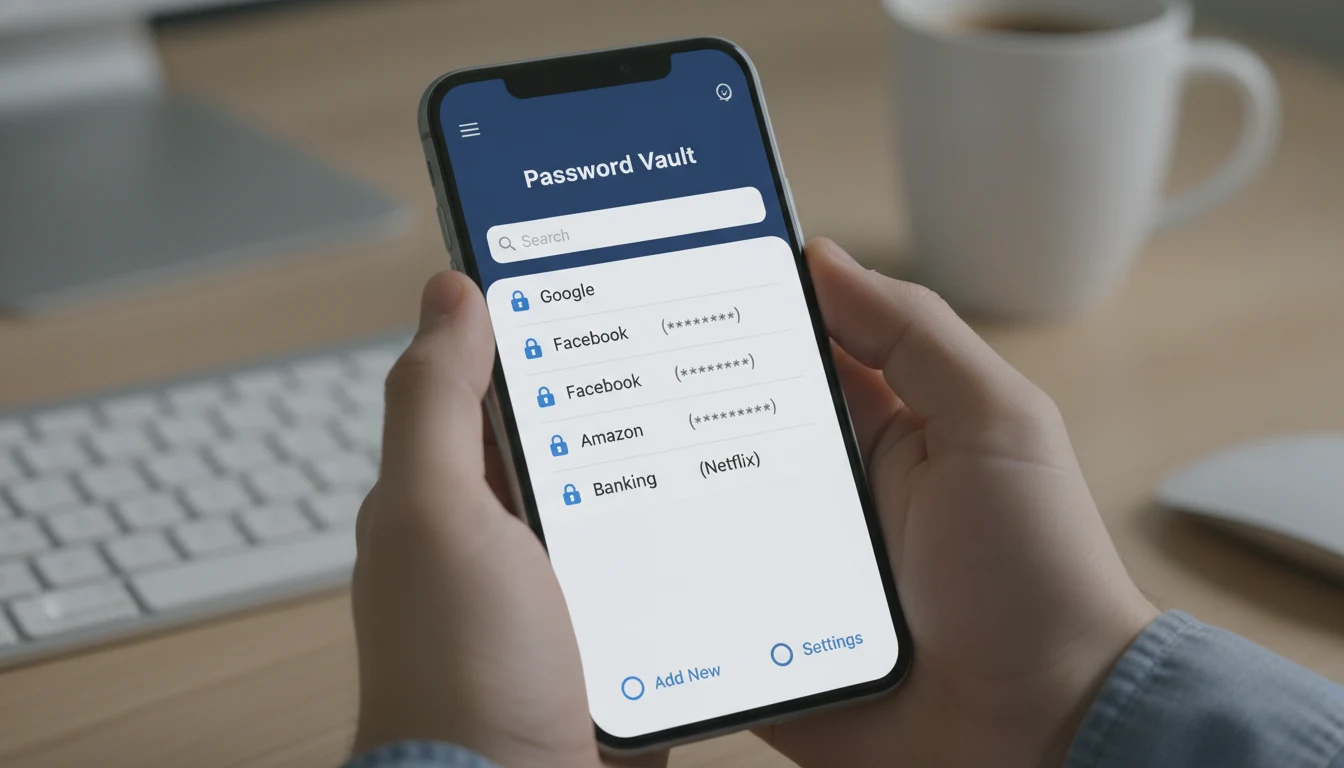
Use a password manager. Managing unique complex passwords for every account is impractical without help. Password managers like 1Password, Bitwarden, or Dashlane generate and store strong passwords securely. You remember one master password; the manager handles everything else.
Enable two-factor authentication (2FA). Most major sportsbooks offer 2FA, which requires a second verification step beyond your password—typically a code sent to your phone or generated by an authenticator app. Even if someone steals your password, they can't access your account without this second factor.
Authenticator apps (Google Authenticator, Microsoft Authenticator, Authy) are more secure than SMS codes because they're not vulnerable to SIM-swapping attacks. When setting up 2FA, choose the authenticator app option if available.
Store backup codes safely. When you enable 2FA, sportsbooks provide backup codes for account recovery if you lose access to your phone. Store these codes securely—written on paper in a safe location, or in an encrypted password manager. Don't save them in an unprotected document on your device.
Securing Your Mobile Device
Your phone itself is a potential vulnerability. If someone accesses your device, they may access your betting accounts.
Use device locks. Enable PIN codes, fingerprint authentication, or face recognition on your phone. Longer PINs are more secure than four-digit codes. Biometric authentication (fingerprint or face) provides convenience without sacrificing security.
Keep software updated. Install operating system and app updates promptly. Updates often patch security vulnerabilities that attackers could exploit. Enable automatic updates when possible.
Avoid public Wi-Fi for betting. Public Wi-Fi networks in coffee shops, airports, and hotels are often unsecured, allowing attackers to intercept data transmitted over them. If you must bet on public Wi-Fi, use a reputable VPN (Virtual Private Network) to encrypt your connection.
Be cautious with app permissions. When installing sportsbook apps, review what permissions they request. Legitimate apps need access to location services (for geolocation compliance) but shouldn't require access to contacts, photos, or other unrelated data. Deny unnecessary permissions.
Don't jailbreak or root your device. Jailbreaking (iOS) or rooting (Android) removes built-in security protections. Many sportsbook apps refuse to run on modified devices for this reason.
Recognizing and Avoiding Scams
Attackers use various tactics to trick bettors into revealing credentials or sending money.
Phishing emails and texts. Scammers send messages appearing to come from legitimate sportsbooks, claiming account problems or offering special promotions. These messages contain links to fake websites designed to capture your login credentials. Never click links in unsolicited messages—navigate to sportsbooks directly by typing the URL or using bookmarks.
Fake customer support. Scammers pose as sportsbook support representatives on social media or through unsolicited calls, asking for login details or payment to "fix" account issues. Legitimate support will never ask for your password. Only contact support through official channels listed on the sportsbook's verified website.
"Guaranteed winner" schemes. Anyone claiming to sell guaranteed winning picks or insider information is running a scam. Sports betting outcomes are uncertain by definition; no one can guarantee winners. These schemes take your money and provide worthless picks.
Account takeover attempts. After gaining partial information (like your email), attackers may contact support pretending to be you, trying to change passwords or withdrawal details. Strong security questions and 2FA protect against these attempts.
Safe Banking Practices
Financial transactions require particular care.
Use secure payment methods. Major sportsbooks offer multiple deposit options including credit/debit cards, PayPal, bank transfers, and sportsbook-branded prepaid cards (like Play+). Credit cards often provide fraud protection; PayPal adds a layer of separation between sportsbooks and your bank account. Choose methods you're comfortable with.
Monitor your linked accounts. Regularly check bank and credit card statements for unauthorized transactions. Set up transaction alerts to receive notifications of account activity. The sooner you spot unauthorized charges, the easier they are to dispute.
Never share payment credentials. Legitimate sportsbooks don't need your banking password or full card number in customer support chats. Their systems handle payment processing securely. Anyone asking for complete financial credentials is likely attempting fraud.
Be cautious with cryptocurrency. While some bettors prefer crypto for privacy, cryptocurrency transactions are irreversible. If you send crypto to a scammer or enter wallet details on a fake site, recovery is essentially impossible.
What Sportsbooks Do to Protect You
Reputable sportsbooks implement multiple security measures you may not see.
Encryption. All major sportsbooks use TLS encryption (identifiable by "https://" in the URL and a padlock icon). This encrypts data transmitted between your device and their servers, preventing interception.
Identity verification (KYC). The document verification required during registration protects against identity theft and underage gambling. While sometimes tedious, this process confirms you are who you claim to be.
Fraud detection systems. Sportsbooks monitor for suspicious patterns—unusual login locations, rapid transactions, changed banking details—and may temporarily lock accounts for verification.
Segregated player funds. Regulated sportsbooks often keep player funds separate from operating funds, protecting your balance if the operator experiences financial difficulties.
Geolocation technology. The location verification that confirms you're in a legal betting state also provides security, flagging if someone tries to access your account from an unexpected location.
Signs Your Account May Be Compromised
Watch for these warning signals.
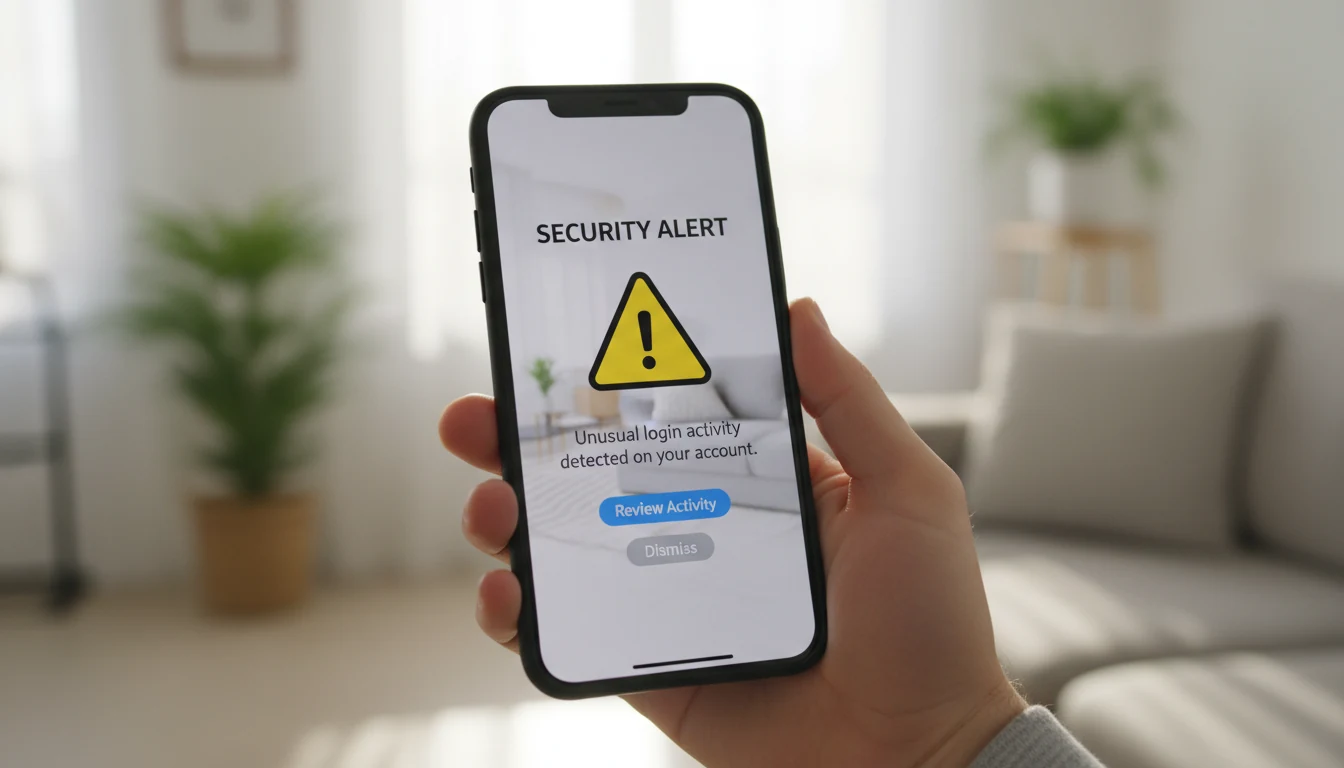
Unexpected login notifications. If you receive alerts about logins you didn't initiate, someone may have your credentials. Change your password immediately.
Unrecognized bets or transactions. Check your betting history and transaction records regularly. Bets you didn't place or withdrawals you didn't request indicate unauthorized access.
Changed account details. If your email, phone number, or banking details were changed without your action, your account has likely been compromised.
Password reset emails you didn't request. While sometimes these are sent in error, unsolicited password reset emails may indicate someone attempting to access your account.
Responding to Security Incidents
If you suspect account compromise, act immediately.
Change your password using a device you know is secure. Make it completely different from the compromised password.
Contact customer support through official channels. Report the suspected compromise and ask them to review account activity. They may temporarily freeze the account while investigating.
Check linked banking for unauthorized transactions. Contact your bank or card issuer immediately if you find suspicious activity.
Review other accounts that share the compromised password. If you reused credentials (you shouldn't, but many people do), change those passwords immediately.
Enable 2FA if you hadn't already. This prevents the same attack vector from working again.
Document everything including screenshots of suspicious activity, support communications, and timeline of events. This documentation helps if you need to dispute transactions or file reports.
Building Long-Term Security Habits
Account security isn't a one-time task—it requires ongoing attention.
Review account settings regularly. Check your linked payment methods, notification preferences, and security settings periodically. Remove payment methods you no longer use.
Use login notifications. Most sportsbooks can notify you of successful logins. Enable this feature to catch unauthorized access quickly.
Log out on shared devices. If you ever bet on a device that isn't exclusively yours, log out completely when finished. Don't save passwords on shared computers.
Stay informed about security practices. Security threats evolve. Follow reputable sources for updated guidance on protecting your accounts.
Take breaches seriously. If a sportsbook you use reports a data breach, change your password immediately and monitor for suspicious activity—even if the sportsbook says your data wasn't affected.
Mobile Betting Safety: Key Security Practices for Protecting Your Account
Security might seem like an inconvenience that slows down your betting, but the few minutes spent on strong passwords and 2FA are far less frustrating than recovering from account takeover or identity theft.
Treat your sportsbook account with the same care you'd give any financial account. Use unique strong passwords, enable two-factor authentication, verify legitimacy before signing up, and stay alert for phishing attempts. These habits protect not just your betting bankroll but your broader financial security and personal information.
The convenience of mobile betting is tremendous, but it comes with responsibility. Take security seriously, and you can enjoy betting with confidence that your account and funds are protected.
