 WomenBet
Following the Caitlin Clark Effect
 Available in US
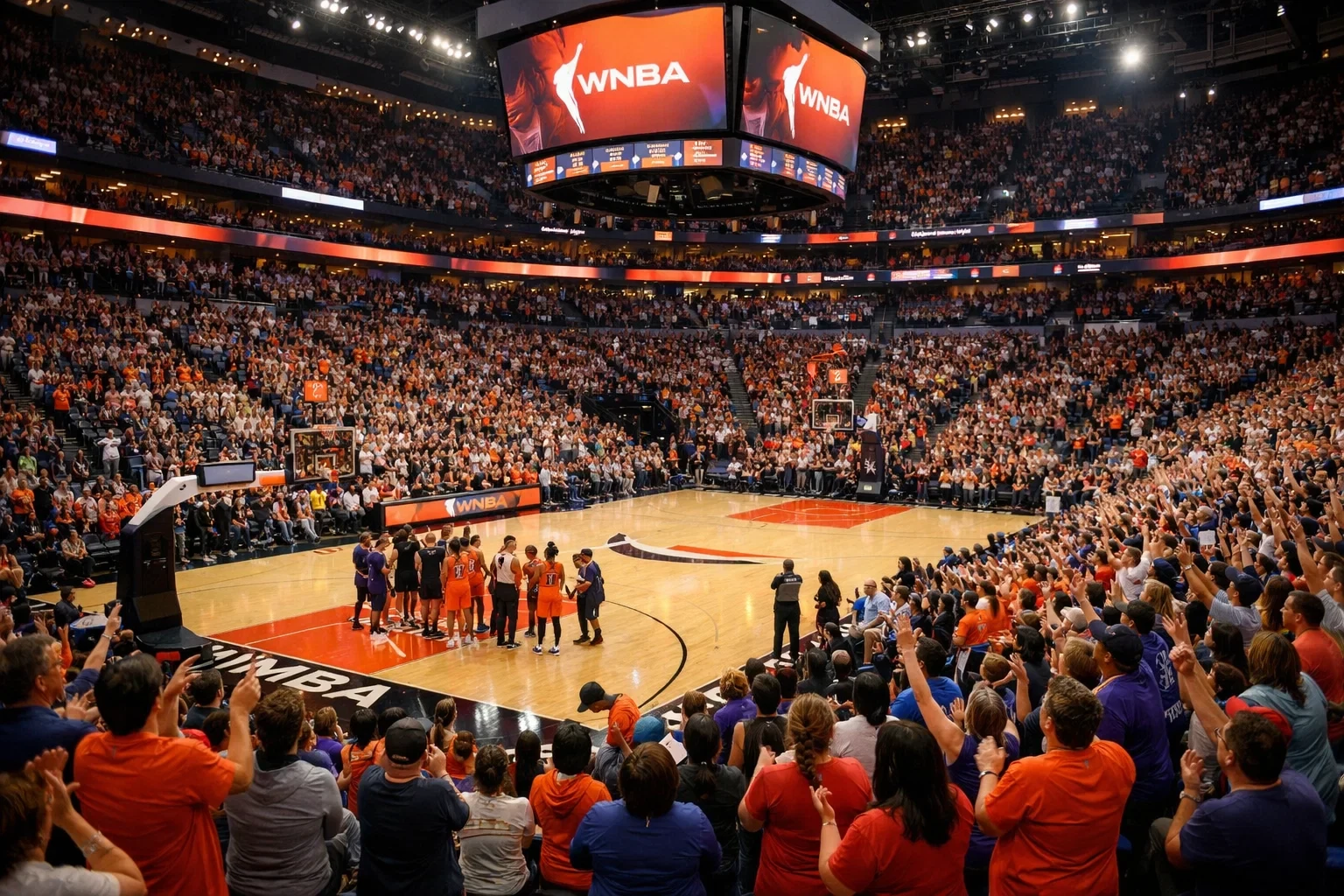
When Caitlin Clark takes the court, the betting market moves. Games featuring the Indiana Fever draw 40% more betting handle than the league average. Her player props attract five times more action than the next closest WNBA player. Six of the eight most-bet WNBA games at major sportsbooks have featured her team. The phenomenon has become so pronounced that industry analysts have coined a term for it: the Caitlin Clark Effect.
But Clark's impact extends far beyond betting volume. Her presence has fundamentally altered how sportsbooks set lines for Fever games, how the public perceives Indiana's championship chances, and how sharp bettors approach the WNBA market. Understanding these dynamics isn't just an academic exercise—it's essential knowledge for anyone betting on women's basketball, whether you're looking to ride the wave or fade the hype.
The Numbers Behind the Phenomenon
The scale of Clark's betting impact is genuinely unprecedented in women's sports. During her rookie WNBA season, games featuring her team averaged 380% more bets than baseline WNBA matchups. In her second season, the numbers have only grown. At BetMGM, the Fever have attracted 55% of all WNBA championship tickets and roughly 81% of the total championship futures handle. At Hard Rock Bet, those numbers are similar: 73% of the handle and 45% of all futures bets on the 2025 championship.
These percentages are staggering in context. The WNBA features 13 teams with varying levels of competitiveness. Under normal market distribution, even a clear favorite might attract 15-20% of championship betting action. The Fever commanding over half of all championship money represents a complete distortion of typical betting patterns.
Clark's individual markets show similar concentration. She accounts for roughly half of all WNBA MVP bets at major sportsbooks—more than double any other player. Her over-under props draw 18% of all betting action on Fever games, a remarkable share for individual player markets that typically represent a small fraction of game-level betting.
This concentration of betting action has moved lines dramatically. The Fever opened the season at +2500 to win the championship—25-to-1 long shots reflecting a young, developing team. As public money poured in, the odds compressed to +300 or shorter at some books, despite the team's actual performance not necessarily justifying such movement. Line movement of this magnitude typically requires either sharp money recognizing value or public money so massive that books must adjust to manage liability. In Clark's case, it's clearly the latter.
How Star Power Distorts Betting Markets
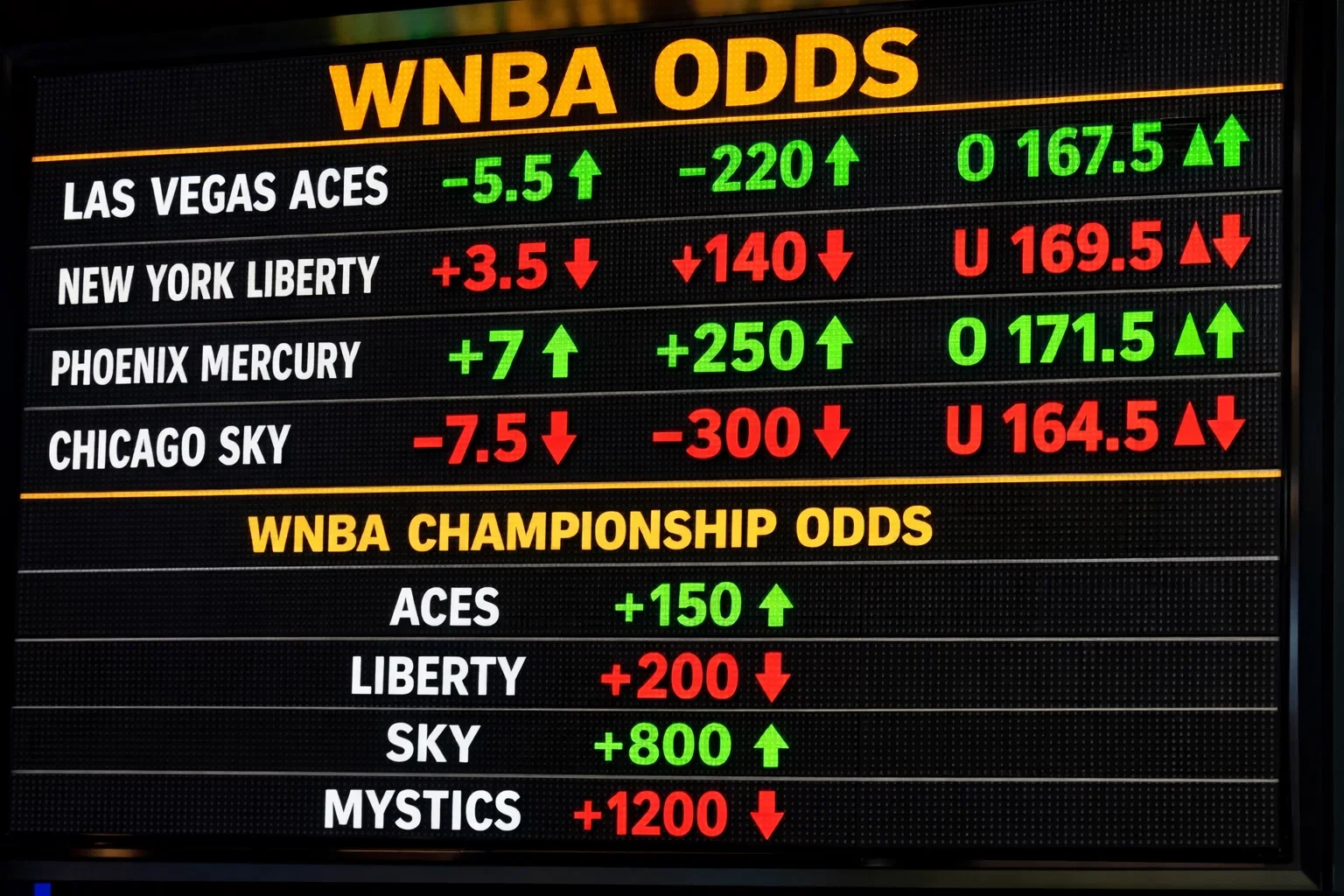
To understand why Clark's presence creates betting opportunities, you need to understand what happens when enormous public attention concentrates on a single player or team.
Casual bettors—those wagering for entertainment rather than long-term profit—tend to bet on what they know and what excites them. They back their favorite players regardless of odds. They don't calculate expected value or compare their assessment to implied probability. They just want action on the player they're tuning in to watch. Clark, as the most visible and discussed player in women's basketball, naturally attracts this casual money at unprecedented levels.
When public money flows heavily toward one side, sportsbooks must decide how to respond. They can accept the liability, essentially betting against the public. They can move the line to discourage further one-sided action. Or they can try to balance their book by offering better prices on the other side to attract sharp money.
In Clark's case, books have primarily moved lines while accepting significant liability. The Fever have become what bookmakers call their "biggest liability" in WNBA markets—meaning they stand to lose the most money if Indiana wins the championship or if Clark wins MVP. But the books keep taking the action because limiting bets on the league's most popular player would damage customer relationships and reduce overall betting engagement.
The result is lines that don't purely reflect true probabilities. When a team's championship odds move from +2500 to +300 primarily because of betting volume rather than improved win probability, the other side of that bet—betting against the Fever at worse odds—may offer value. Similarly, when 88% of Clark's prop bets are on the over (as Hard Rock Bet reported), the under might represent overlooked value even if the line is set fairly.
The Broader Star-Power Pattern
While Clark represents the most extreme current example, she's not unique. Star players have always moved betting markets beyond what their actual contribution to winning might justify. Understanding this pattern helps identify similar opportunities across sports.
The dynamic works because casual bettors and serious bettors respond to different information. Casual bettors respond to narrative, excitement, and personal connection. They bet on stars because watching those stars win feels more satisfying than watching anonymous underdogs. Serious bettors respond to expected value—whether the odds offered exceed the true probability of an outcome. When casual money dominates a market, the odds can diverge from true probabilities, creating opportunity for value-seeking bettors.
In the NBA, LeBron James games historically attracted outsized betting action regardless of team quality. Patrick Mahomes generates similar concentration in NFL betting. These stars move lines not because they're underrated by sophisticated models but because the betting public can't resist having action on games they're invested in watching.
Women's sports amplify this effect because the markets are less liquid overall. When public money concentrates, there's less sharp money available to bet the other side and push lines back toward efficiency. The correction mechanism that operates quickly in NFL markets operates slowly or incompletely in WNBA markets.
Strategies for Betting Around Star-Driven Movement
Recognizing that star players create market distortions is only useful if you can profit from that recognition. Several strategies emerge from understanding the phenomenon.
Fading inflated lines means betting against teams or players whose odds have moved primarily due to public enthusiasm rather than improved win probability. If the Fever's championship odds compressed from +2500 to +300 primarily due to betting volume, other contenders may offer value at their current prices. The Las Vegas Aces, New York Liberty, or Minnesota Lynx might be priced more favorably than a pure assessment of championship probability would suggest because money that might otherwise back those teams has instead concentrated on Indiana.
This doesn't mean blindly betting against Clark or the Fever. You need to assess whether the current odds still offer value despite the movement. Sometimes public enthusiasm correctly identifies a good bet—just one that becomes bad by the time the odds adjust. The question isn't whether the public is wrong but whether the current price offers positive expected value.
Betting early before star-driven movement captures value before public money distorts lines. Opening lines reflect bookmakers' assessments before public betting reveals itself. If you have a view on a Fever game before the public loads up on Indiana, you might get better odds than you'd see by game time. This requires either betting against the Fever at less-favorable odds or betting on them before their price fully compresses—neither approach is universally correct, but both recognize timing matters.
Exploiting prop market concentration takes advantage of the fact that lopsided action on star player props can push lines away from fair value. When 88% of bets on Clark's points line favor the over, the under may be mispriced—not because Clark won't score but because the line has adjusted to manage lopsided liability rather than reflect true probability. This isn't guaranteed value, but it's worth investigating when prop betting is this one-sided.
Looking at opponent team totals and spreads recognizes that star-focused betting sometimes ignores the other team entirely. When casual bettors bet on Fever games because of Clark, they're often backing Indiana regardless of opponent or situation. The opposing team's lines may be set partly in reaction to this expected public action rather than pure probability assessment.
The Limits of Fading the Public

A word of caution: betting against public favorites isn't automatically profitable. The public isn't always wrong—sometimes popular players genuinely deserve their status, and betting against them consistently leads to losses. Clark is a legitimately exceptional player whose impact on games is real, not illusory. The Fever have improved substantially with her on the roster.
The value opportunity exists when odds have moved beyond what performance justifies, not simply when a player is popular. Distinguishing between justified optimism and market distortion requires genuine analysis—assessing whether Indiana's championship odds at +300 represent fair value given their actual probability of winning versus inflated prices that have absorbed too much public money.
Additionally, timing matters. If you identify that a line is inflated, but it continues moving against you, you may be right in the long run but face short-term losses. Markets can remain irrational longer than anticipated, and betting too early against strong public sentiment can be painful even if ultimately profitable.
What Happens When Stars Leave or Decline
The Clark Effect offers a lesson about the lifecycle of star-driven market distortions. Eventually, one of three things happens: the star's team starts winning at rates that justify the public enthusiasm (validating the betting concentration), the team disappoints despite the star's presence (causing public money to fade), or external factors change the situation entirely.
When public enthusiasm proves misplaced, the correction can be swift. A team that entered the season as the betting public's darling might become a fade opportunity once early-season results disappoint expectations. The same casual bettors who drove early-season line movement often shift their money elsewhere, potentially overcorrecting and creating value on the team they previously overbet.
Understanding this lifecycle helps with timing. The best opportunities to bet against star-driven distortion often come when that distortion reaches its peak—when odds have compressed maximally and any actual performance will either validate or disappoint those expectations. Betting too early means fighting momentum; betting at the peak means the market is most likely to correct.
Applying These Lessons Beyond Clark
While Caitlin Clark represents the most visible current example, the principles apply broadly. Any time public attention concentrates disproportionately on a single player or team, similar dynamics emerge. In men's college basketball, the most hyped freshman can distort their team's lines. In tennis, major tournament favorites often attract public money that compresses their prices beyond fair value.
The key questions remain constant: Has the line moved primarily due to betting volume rather than probability assessment? Does the current price still offer value despite the movement? What would need to happen for the market to correct? Answering these questions for any star-driven situation helps identify whether opportunity exists and which side of the bet captures it.
Women's sports, with their combination of increasing star power and still-developing betting markets, offer fertile ground for this analysis. Clark may be the most dramatic example today, but she won't be the last player whose popularity moves lines beyond what pure probability would suggest.
