 WomenBet
Building Your Sports Betting Community
 Available in US
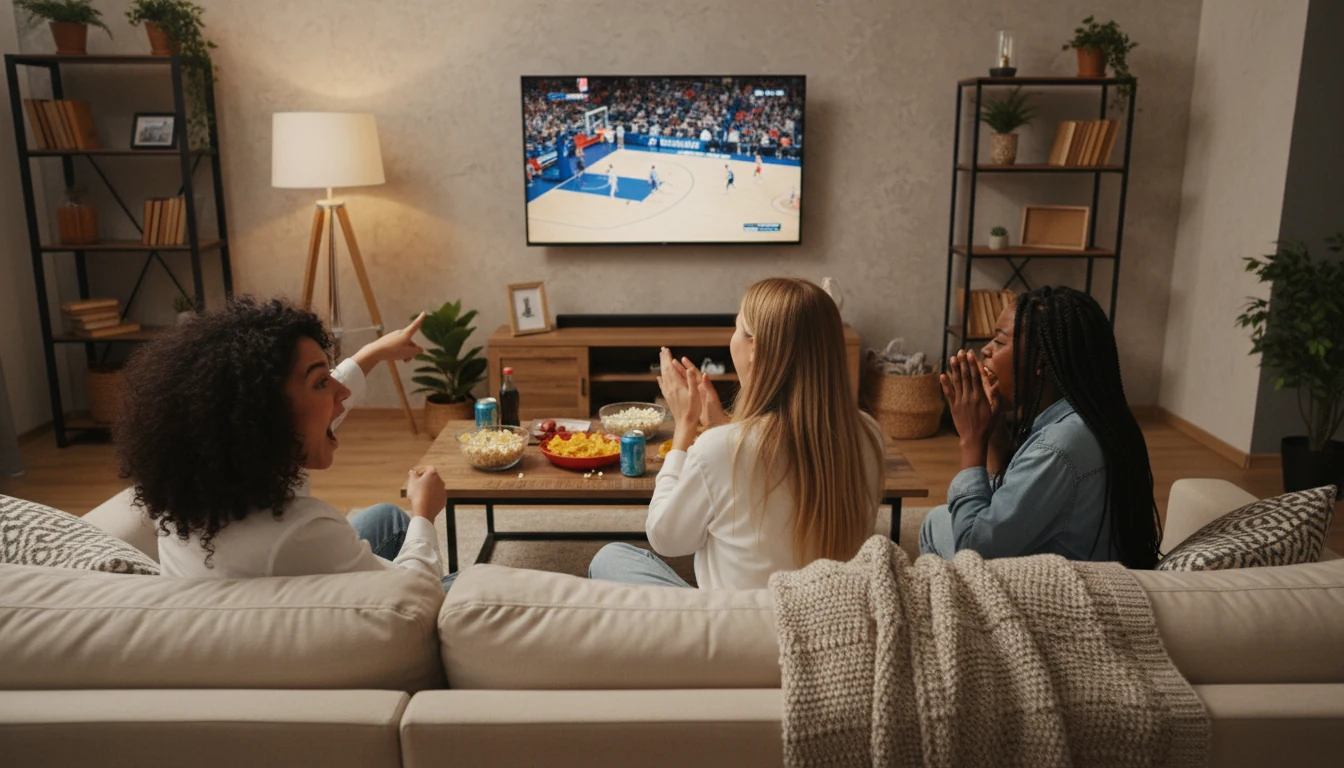
Sports betting can feel isolating. You're making decisions alone, processing wins and losses privately, and often hiding your betting activity from friends or family who might not understand or approve. This isolation isn't just emotionally challenging—it can actually hurt your betting by eliminating the feedback and diverse perspectives that help bettors improve.
Building connections with other bettors, particularly other women who share similar approaches and challenges, transforms the betting experience. Communities provide education, accountability, emotional support during downswings, and the collective knowledge that no individual can accumulate alone.
This article explores why community matters for bettors, where to find welcoming spaces, how to engage productively, and how connection can improve both your results and your enjoyment of sports betting.
Why Community Matters for Bettors
Betting in isolation creates several disadvantages that community can address.
Learning accelerates through shared knowledge. Every bettor develops insights through experience—patterns they've noticed, mistakes they've made, strategies that work for them. In isolation, you can only learn from your own experiences. In community, you benefit from the accumulated wisdom of dozens or hundreds of bettors, dramatically accelerating your education.
Blind spots become visible. It's difficult to recognize flaws in your own thinking. Other bettors can spot errors in your analysis, biases affecting your judgment, or leaks in your strategy that you can't see yourself. Constructive feedback from peers improves decision-making in ways self-analysis cannot.
Emotional support during variance. Losing streaks test every bettor's mental resilience. Having people who understand what you're going through—who've experienced the same frustrations and survived—provides crucial emotional support. Knowing you're not alone in facing variance makes it easier to maintain discipline.
Accountability reinforces discipline. When you've told other people your bankroll management rules or betting criteria, violating those standards becomes harder. Community accountability helps bettors stick to their plans during emotional moments when discipline typically breaks down.
Collective research multiplies coverage. No individual can follow every sport, track every injury report, or analyze every betting market. Within a community, different members bring expertise in different areas. Shared research expands everyone's informational advantage.
Finding Women-Focused Betting Communities
Several communities specifically welcome and support female bettors.
Betting Ladies (BettingLadies.com) is the most prominent community specifically for women who bet. Founded in 2023, it now includes approximately 1,000 members ranging from complete beginners to experienced bettors. The site offers educational content, betting guides for major sports leagues including WNBA and NWSL, and a free 23-part video course covering betting fundamentals. Their motto—"Bet Like a Lady"—reflects research suggesting women approach betting differently than men, and the community embraces these differences rather than trying to replicate male betting culture.
Betting Ladies has been featured in major media outlets including CNBC, Sports Illustrated, and Yahoo Sports, reflecting growing mainstream interest in female sports bettors. The community offers a judgment-free space where women can ask questions without fear of condescension or dismissal.

Social media following of female betting analysts and content creators provides another form of community. Prominent women in sports betting media include Minty Bets (ESPN), Anita Marks (ESPN), Kelly Stewart, Pamela Maldonado (ESPN), and Ariel Epstein (MLB Network, NBATV). Following these voices exposes you to diverse perspectives and often leads to their broader communities.
Mackenzie Brooks, a statistical analyst for CBS Sports, gained following through accessible TikTok content like "Sports Betting 101 for the girlies." Her educational approach specifically targets women who find traditional betting content intimidating or exclusionary.
BettorEdge is a social betting platform that partnered with Betting Ladies to integrate women-focused content directly into their exchange. Users can follow the Betting Ladies account for picks and educational content while using BettorEdge's community features to connect with other bettors.
General Betting Communities
Beyond women-specific spaces, several general betting communities welcome all participants.
Reddit's sportsbook community (r/sportsbook) is one of the largest betting forums online, with daily discussion threads, beginner resources, and specialized conversations for different sports. While male-dominated like most of Reddit, women do participate, and the community generally values quality analysis regardless of who provides it. The subreddit emphasizes responsible gambling and has resources for those concerned about problem gambling.
Discord servers for sports betting have proliferated, ranging from free communities to paid subscription groups. Quality varies enormously. Some provide genuine value through shared research and analysis; others are primarily vehicles for selling picks. Approach paid Discord groups skeptically—many charge significant fees without delivering commensurate value.
Twitter/X betting communities form organically around influential handicappers and analysts. Following respected voices and engaging with their content builds connections with like-minded bettors. The platform's real-time nature makes it particularly valuable during games when news breaks quickly.
Podcast communities often develop around popular betting podcasts. Shows like "Bet the Process," "The Favorites," and various ESPN betting podcasts build audiences that sometimes form their own communities through social media or dedicated Discord servers.
What to Look for in a Community
Not all betting communities are equally valuable. Evaluate potential communities against these criteria.
Educational focus matters more than picks. Communities that emphasize teaching betting concepts, analysis methods, and critical thinking develop better bettors than those that simply distribute picks. You want to learn to fish, not receive fish.
Diversity of perspectives enriches discussion. Groups where everyone thinks identically don't challenge your assumptions. Look for communities with members who bet different sports, use different approaches, and hold different opinions—but engage respectfully.
Transparency about results builds trust. Be skeptical of communities where members claim implausible win rates or refuse to share losing bets. Honest discussion of both successes and failures indicates a mature, trustworthy group.
Responsible gambling culture protects members. Communities that normalize chasing losses, excessive betting, or unhealthy relationships with gambling should be avoided. The best communities acknowledge that betting should be entertaining and sustainable.
Welcoming atmosphere for questions. If asking basic questions generates condescension or dismissal, the community isn't serving educational purposes. Look for spaces where experienced bettors patiently help newcomers develop.
Engaging Productively in Communities
Once you find a community, how you engage determines the value you receive.
Listen before contributing. Spend time understanding the community's norms, the expertise of regular contributors, and the topics already covered before jumping in. This prevents asking questions already answered repeatedly and helps you contribute more effectively.
Share your reasoning, not just your picks. "I like the Fever -3" contributes almost nothing. "I like the Fever -3 because their defensive efficiency has improved dramatically over the last ten games while their opponent struggles against athletic teams that press" teaches everyone something. Explain your analysis so others can learn from and critique your thinking.
Be honest about results. Share losses as openly as wins. Honesty about outcomes—including downswings and mistakes—builds trust and helps others learn from your experience. Communities where everyone claims to be winning are either dishonest or dangerously selective in what they share.
Ask specific questions. "How do I get better at betting?" is too vague to answer helpfully. "How do you evaluate WNBA player props when key players are resting?" invites useful responses. Specific questions demonstrate you've done initial thinking and respect others' time.
Give back as you grow. Once you've developed some expertise, help newer members the way others helped you. Teaching reinforces your own understanding while strengthening the community that supported your development.
The Risk of Echo Chambers
Communities can also create problems if they reinforce poor thinking.
Confirmation bias amplifies in groups. If everyone in your community loves the same team or betting approach, you might mistake groupthink for wisdom. Seek out dissenting voices and communities that encourage debate rather than consensus.
Paid pick services often disappoint. Many communities are essentially marketing vehicles for selling betting picks. The incentives of these groups don't align with your success—they profit from your subscription whether their picks win or lose. Approach paid communities very skeptically.
Overconfidence spreads socially. Watching others bet aggressively can normalize risky behavior. Maintain your own bankroll management standards regardless of what others in your community do.
Results-oriented thinking misleads. Communities sometimes celebrate members on hot streaks as if they've discovered betting secrets, then ignore them when they regress. Judge advice by reasoning quality, not recent results.
Building Connections Beyond Online Communities
In-person connections provide value that online communities cannot fully replicate.
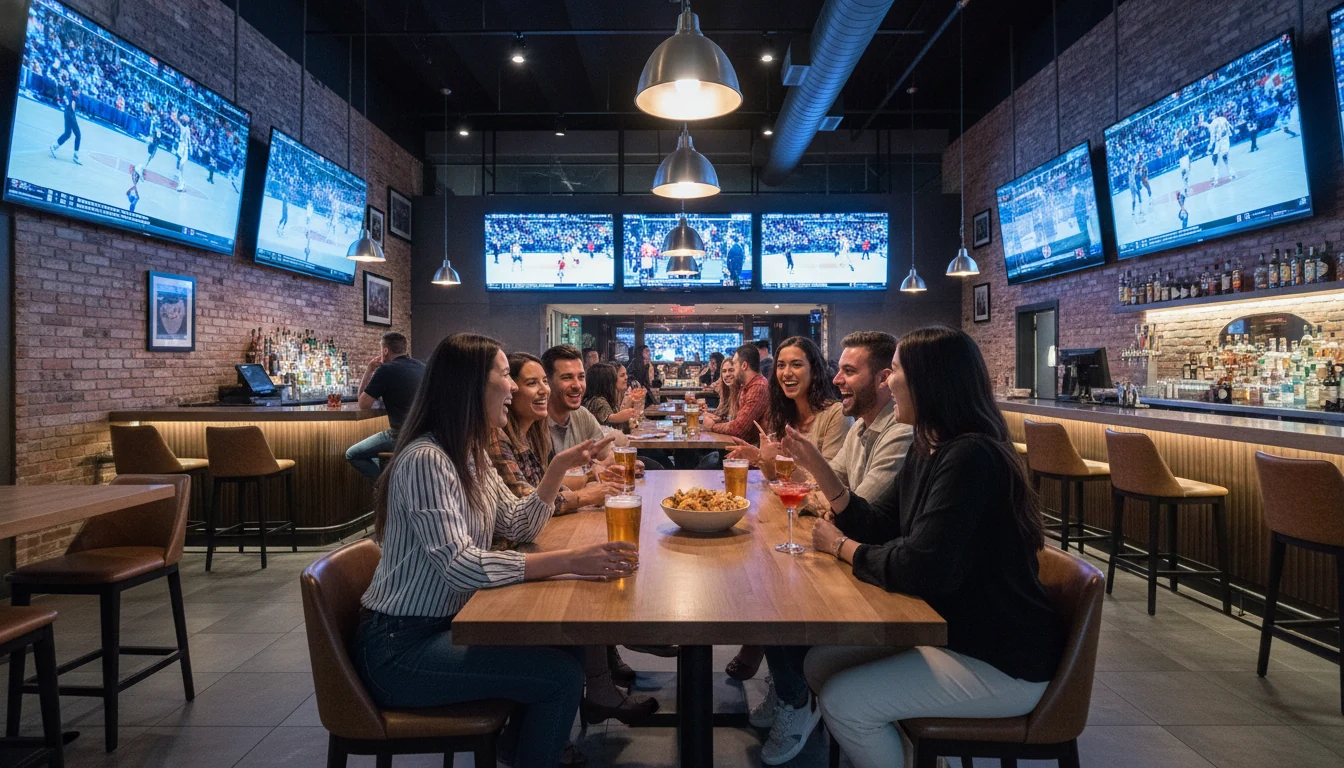
Local sports bar communities form around regular patrons who watch and bet games together. While these are often male-dominated, women who participate consistently often become welcomed regulars. The social experience of watching games together enhances enjoyment even when it doesn't directly improve betting.
Friends who bet can become informal betting communities. If you know other women who bet—or women curious about starting—consider forming small groups for watching games together, discussing bets, and supporting each other's betting journeys.
Industry events and meetups occasionally bring bettors together in person. Betting conferences, sportsbook promotional events, and sports viewing parties create opportunities to meet fellow bettors face-to-face.
Resources for Responsible Community Engagement
Communities should support healthy betting habits, not undermine them.
If community participation increases your betting beyond what you'd do independently—more bets, larger stakes, different sports—that's a warning sign. Communities should enhance quality of betting decisions, not quantity.
Watch for gambling disorder signs in yourself and others. If community members seem obsessed with betting, chase losses, or exhibit other warning signs, that environment may normalize unhealthy behavior.
Resources for problem gambling should be part of any responsible community. The National Problem Gambling Helpline (1-800-522-4700) provides 24/7 confidential support. Gamblers Anonymous offers peer support. Any community that doesn't acknowledge gambling risks isn't taking member welfare seriously.
The Future of Women's Betting Communities
The landscape for female bettors is evolving rapidly.
Media representation is increasing. More women appear in sports betting media—as analysts, hosts, and content creators. This visibility normalizes women's participation and creates role models for new bettors.
Sportsbooks are targeting women. Operators like FanDuel have explicitly stated goals of attracting more female bettors. This creates incentives for better serving women's preferences, including community features.
Educational content is expanding. From TikTok explainers to comprehensive video courses, educational resources specifically designed for female audiences continue proliferating.
Research confirms different approaches. Studies showing women bet differently than men—often more cautiously and methodically—are shifting how the industry thinks about female bettors. Communities that embrace these differences rather than treating women as deficient men will continue growing.
Finding Your People
Sports betting doesn't have to be a solitary activity. Communities of like-minded bettors provide education, support, accountability, and genuine connection around a shared interest.
Whether you gravitate toward women-specific spaces like Betting Ladies, general communities on Reddit or Discord, or informal groups of friends who bet together, connection enriches the betting experience. You'll learn faster, bet smarter, handle variance better, and enjoy the journey more.
Start by exploring one or two communities that seem welcoming. Observe before participating. Contribute thoughtfully when you do engage. Over time, you'll develop relationships with other bettors who enhance your betting and make the experience more enjoyable.
Sports betting can be a shared adventure rather than an isolated hobby. Finding your people transforms not just your results but your entire relationship with betting.
